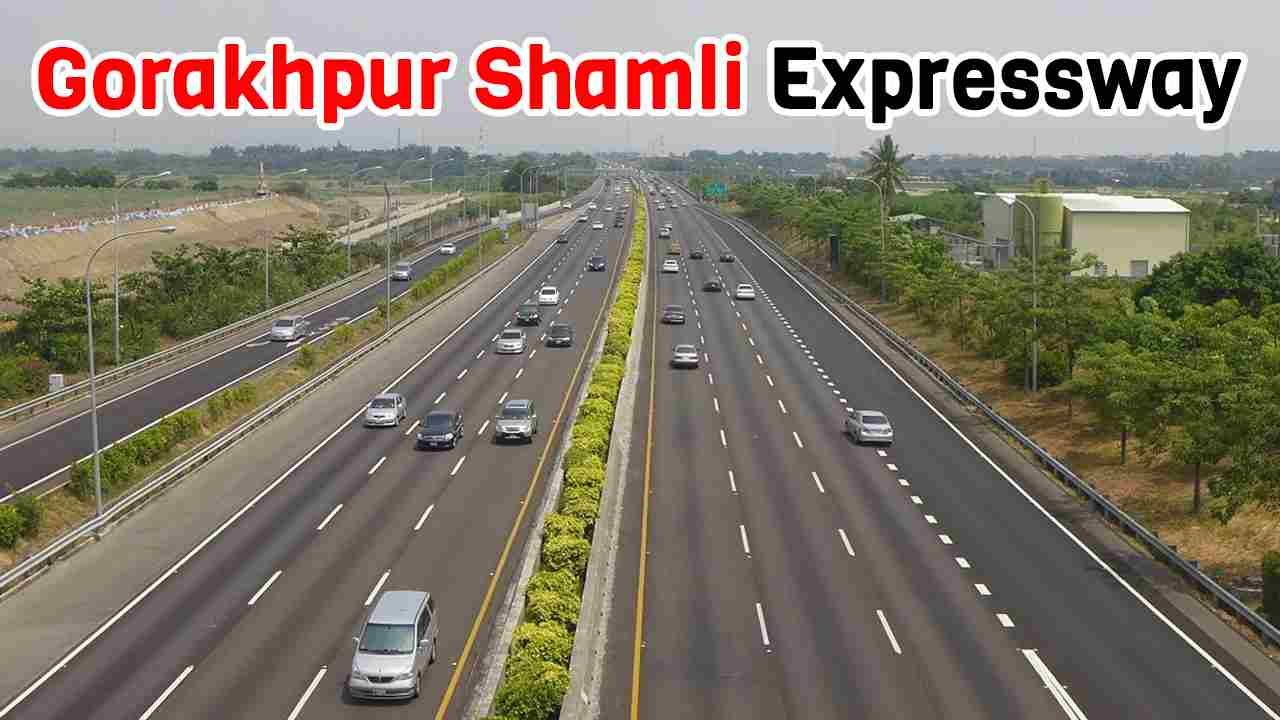
Uttar Pradesh is undergoing one of the most transformative phases in road infrastructure development in India. The state government, through the Uttar Pradesh Expressway Industrial Development Authority (UPEIDA), is pushing multiple high-impact expressway projects designed to knit the state’s major economic and population centres with seamless high-speed connectivity. Central to this strategy is a new link expressway connecting the Ganga Expressway with the Agra–Lucknow Expressway, a project that promises to accelerate regional mobility, catalyze economic activity, and enhance long-distance travel efficiency across Uttar Pradesh.
Table of Contents
Expanding the Expressway Network: Overview of the New Link Corridor
The proposed expressway will serve as a direct connector between two of Uttar Pradesh’s most significant expressway corridors:
- the Ganga Expressway, a long-distance east–west high-speed road spanning hundreds of kilometres, and
- The Agra–Lucknow Expressway is a major arterial infrastructure facilitating movement between western and central Uttar Pradesh.
The planned link will run from Etawah to Hardoi, cutting across districts such as Kannauj, Mainpuri, Farrukhabad, Shahjahanpur, and Hardoi. Estimated at a project cost of around ₹6,600 crore, this greenfield expressway is being designed to meet modern access-controlled standards to support high-volume, high-speed travel.
Key Strategic Features
- Direct Linking of Major Corridors: This new roadway will join the Ganga Expressway with the Agra–Lucknow Expressway, creating an integrated corridor that significantly reduces travel times between eastern and western UP.
- Enhanced Connectivity for Central UP: Towns and districts such as Farrukhabad and Hardoi will gain faster access to both express corridors, opening up opportunities for local commerce, logistics, and tourism.
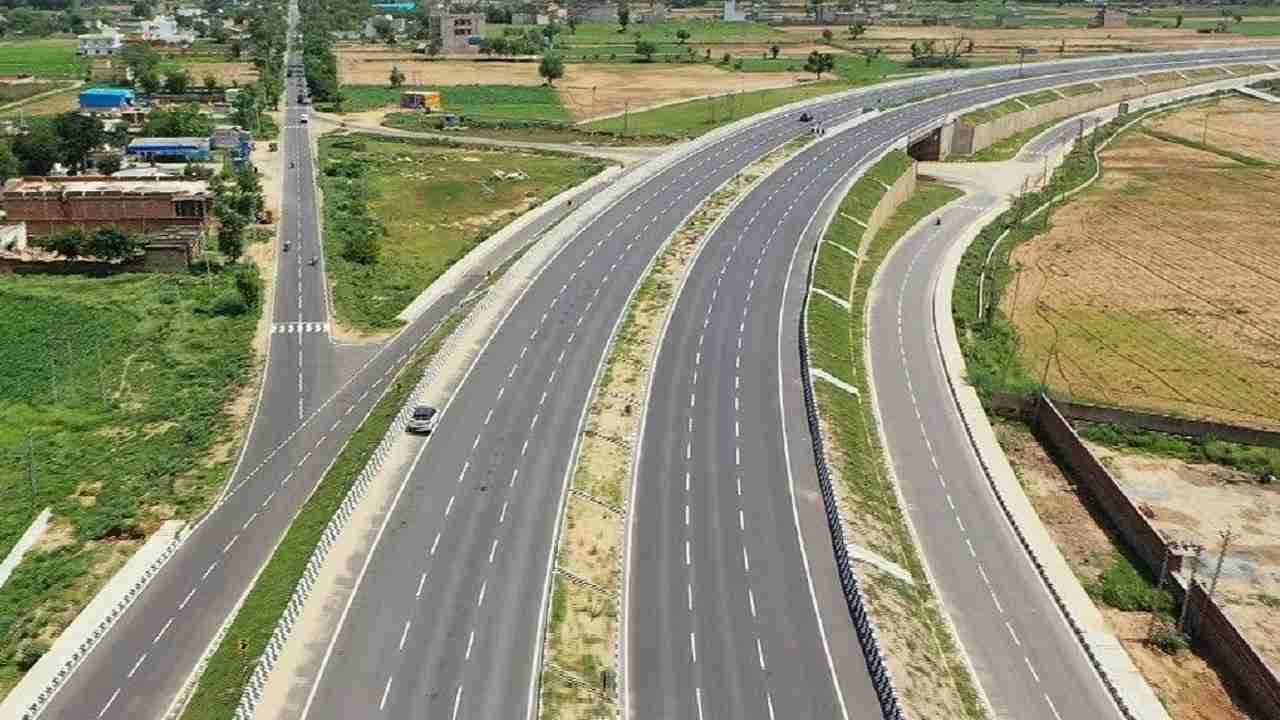
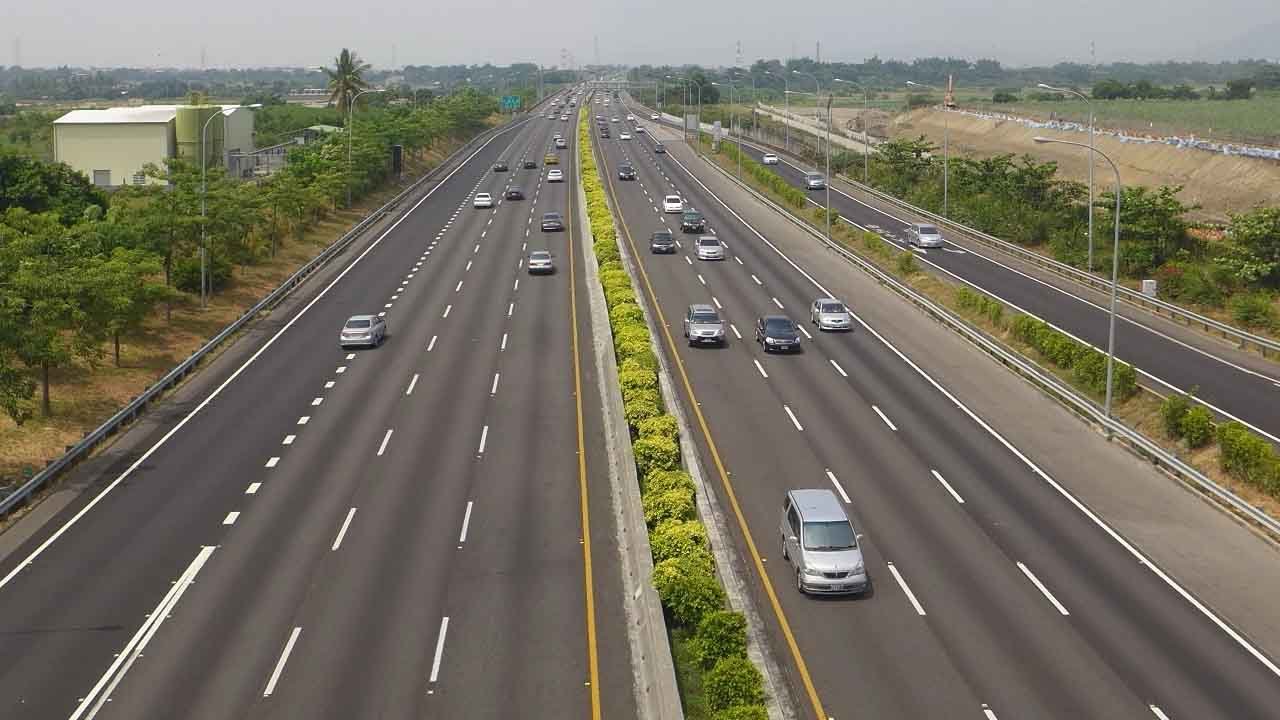
- Modern Expressway Standards: Designed as a multi-lane, access-controlled facility, the route will include essential features such as grade-separated junctions, service roads, and bridges over major rivers like the Gambhiri, Ramganga, and Ganga to ensure uninterrupted travel.
How This Link Enhances Regional Mobility
1. Reduced Travel Times Across the Heart of UP
With direct expressway connectivity, journeys that once required detours over slower arterial highways will now be possible along a continuous high-speed corridor. This expected reduction in travel time will particularly benefit long-distance commercial transport and private vehicles moving between eastern, central, and western Uttar Pradesh.
2. Strengthening Central and Eastern Economic Zones
Central districts of UP, such as Kannauj and Farrukhabad, will gain better access to larger markets in Lucknow, Agra, Meerut, and beyond. Improved transport logistics will support agricultural supply chains, small and medium industries, and the emerging services sector.
3. Boost for Tourism and Local Livelihoods
Regions adjacent to the expressway corridor, which host cultural, heritage, and natural attractions, are poised to see enhanced visitor flows. Local communities along the highway stand to benefit from increased employment and business opportunities tied to service facilities, hospitality, and logistics hubs.
Contextual Landscape: Uttar Pradesh’s Larger Expressway Grid
Uttar Pradesh has rapidly expanded its network of access-controlled highways, positioning the state as a national leader in expressway infrastructure. With existing corridors like the Agra–Lucknow Expressway and the soon-to-be operational Ganga Expressway, the state is now focusing on link routes, feeder roads, and ancillary expressways to strengthen internal connectivity.
According to official sources, the Ganga Expressway alone spans nearly 594 km across multiple districts, opening up expedited access between Meerut and Prayagraj and cutting traditional travel times by up to half.
Strategic Benefits for Commercial and Passenger Transport
Increased Freight Efficiency
The new expressway link will function as a logistics catalyst. Trucking operators and freight forwarders will be able to plan routes with fewer delays and greater predictability, enabling higher productivity and lower operating costs. Investment in warehousing and distribution facilities along the corridor is also likely to follow.
Enhanced Passenger Mobility
For passenger vehicles and intercity buses, the corridor will offer smoother rides, faster transit, and an overall better travel experience. Commuters travelling for work, education, or leisure will benefit from reduced travel durations and greater route reliability.
Economic Ripple Effects
Real Estate and Industrial Growth
Improved road connectivity typically leads to parcel value appreciation in adjacent districts. Industrial real estate, logistics parks, and commercial hubs along the expressway are expected to draw investor interest, bolstering regional economies.
Job Creation
Construction and operation of the expressway will generate direct employment in engineering, construction, materials supply, and maintenance roles. Indirectly, sectors such as hospitality, retail, and transport services are also projected to expand employment opportunities.
Conclusion
The proposed link expressway connecting the Ganga Expressway with the Agra–Lucknow Expressway is not merely a road project, it is a strategic infrastructure milestone for Uttar Pradesh. By weaving together the state’s major expressway corridors, fostering economic interactions, and enhancing both regional and long-distance mobility, this corridor is set to redefine travel and commerce across a vast expanse of India’s most populous state.
Investments of this scale highlight Uttar Pradesh’s commitment to integrated transport planning, positioning the region for future growth in manufacturing, logistics, tourism, and service industries all anchored by a modern and expansive expressway network.