
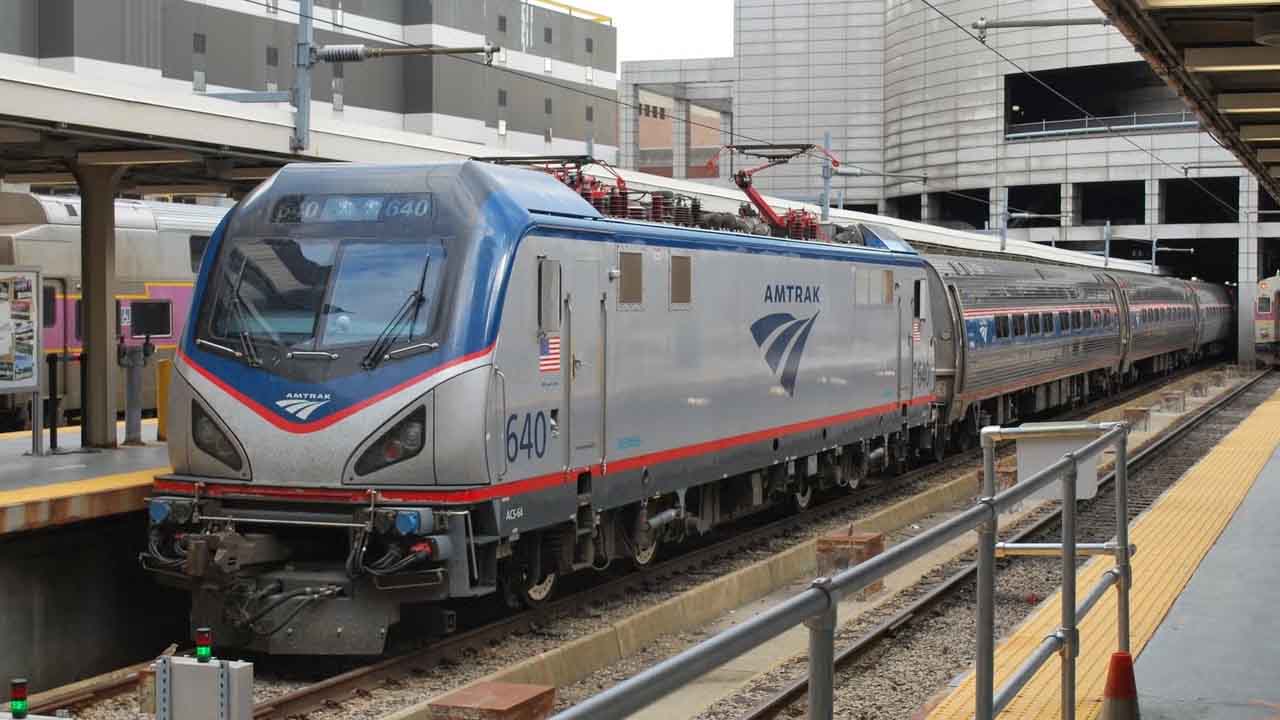
In contrast to the proposal by President Donald Trump, which slashes Amtrak’s budget allocation by 82% in addition to cutting funds for the Intercity Passenger Rail grant program completely, projects under the DOT will continue based on the funds provided by laws enacted under Biden’s presidency and the appropriation process of Congress.
The initial application process in regard to Northeast Corridor projects will cover the renovation of New York Penn Station and Washington Union Station, the DOT announced via a press release. Last year, the DOT took charge of the Penn Station project and, in general, operates both stations – Washington Union Station.
“The Northeast Corridor is the busiest and most complex rail line in America,” said David Fink, Federal Railroad Administrator. Other projects within the passenger rail grant program relate to enhancing frequency and speed, establishing new rail services, and improving their maintenance.
In fiscal year 2025, the trains operating within the corridor served 15.2 million passengers of Amtrak.
According to the notice of funding opportunity, projects eligible to receive CRISI grants are those aimed at reducing congestion and increasing passenger numbers in intercity passenger rail transport in the most congested rail corridors, improving highway-rail grade crossings, strengthening connections between intercity rail and bus transportation, and those related to the safety and efficiency of intercity passenger rail and freight rail transport.
“From the suburbs to rural communities, we want to provide our partners with the tools they need to modernize our rail infrastructure,” Fink said in a statement.
“Given the demonstrated demand from local governments seeking to expand and improve service, we fully expect states to use all this funding opportunity to progress the corridors in the United States,” stated Sean Jeans-Gail, Rail Passengers Association Vice President of Policy and Government Affairs, in his email sent to Smart Cities Dive. According to plans, Amtrak is going to substitute the old locomotives of its long-distance trains with over 800 new railway cars to serve 14 railroads. In particular, it implies replacing double-decker railway cars with single-level vehicles.
“In this context, this new strategy will result in an increased consistency and accessibility for our customers, while ensuring that Amtrak introduces the first-ever new cars for the next decade,” Amtrak President Roger Harris said in a statement made in February. As sources told Smart Cities Dive, the initial costs of the project are estimated at $7 billion.
