
India’s ambitious Mumbai–Ahmedabad Bullet Train Project has crossed a major milestone, with over 57 per cent of the physical work now completed and nearly ₹86,793 crore already spent on construction. The project, which will introduce India’s first high-speed rail corridor, is progressing steadily across Gujarat and Maharashtra as large sections of infrastructure begin to take visible shape.
The high-speed rail line will connect Mumbai and Ahmedabad over a distance of 508 kilometres, drastically reducing travel time between the two major economic hubs. Once operational, the bullet train is expected to cover the distance in about two hours, compared to the current six to seven hours taken by conventional trains.
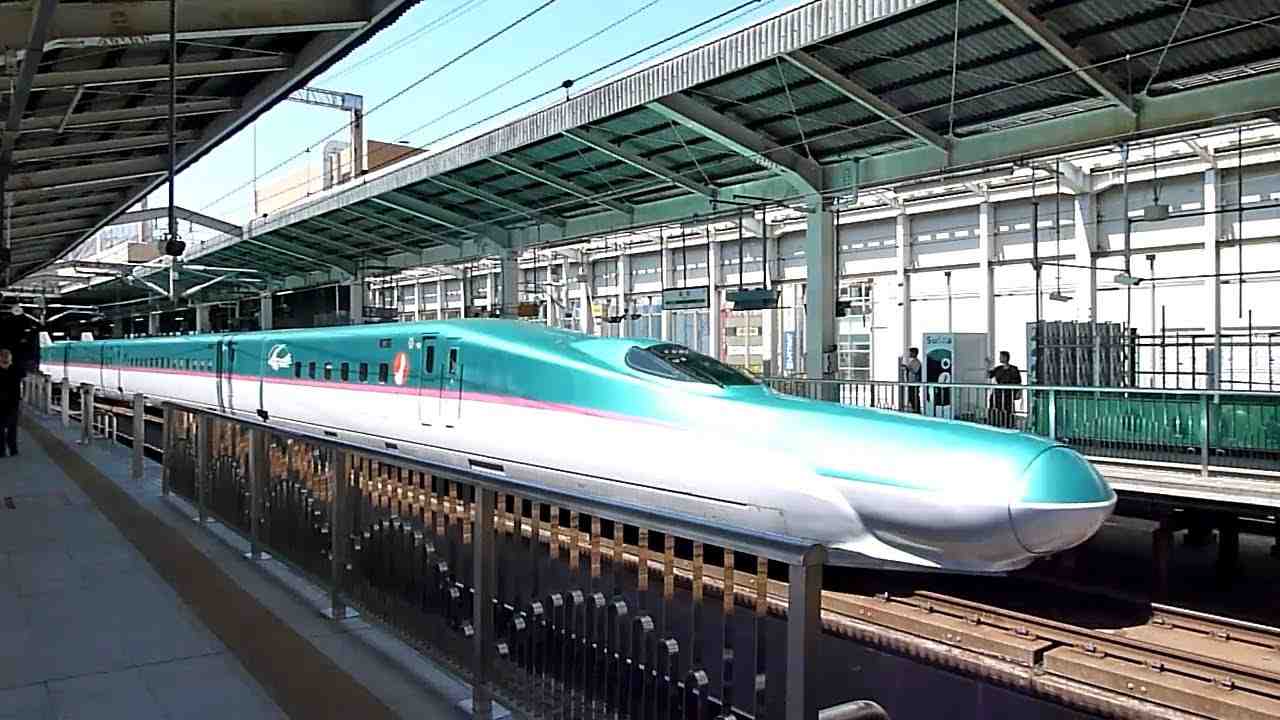
The project is being executed by the National High Speed Rail Corporation Limited (NHSRCL) with technical and financial assistance from Japan. It will use the globally renowned Shinkansen high-speed rail technology, known for its exceptional safety standards and reliability.
Major Construction Milestones Achieved
Construction work on the corridor has accelerated significantly over the past year, especially in Gujarat, where most of the land acquisition was completed earlier. Large sections of elevated viaducts, bridges, and station structures are now under development.
Engineers have already completed hundreds of kilometres of pier foundations and girders, forming the elevated track structure that will carry the high-speed trains. Several bullet train stations are also progressing rapidly, with structural work underway at key locations.
The corridor will feature 12 stations, including Mumbai, Thane, Virar, Boisar, Vapi, Bilimora, Surat, Bharuch, Vadodara, Anand/Nadiad, Ahmedabad, and Sabarmati. These stations are being designed with modern passenger facilities and seamless connections to existing transport systems.
India’s First Undersea Rail Tunnel
One of the most complex parts of the project is the 21-kilometre tunnel between Bandra-Kurla Complex (BKC) in Mumbai and Shilphata in Maharashtra. This tunnel will include India’s first undersea rail section, running beneath the Thane Creek.
Approximately 7 kilometres of the tunnel will pass under the sea, making it one of the most technically challenging railway engineering projects in the country. Advanced tunnelling methods and specialized equipment are being used to safely construct this underground section.
High-Speed Technology and Train Operations
The bullet trains operating on this corridor will run at speeds of up to 320 kilometres per hour, making them the fastest trains ever introduced in India. The system will operate on dedicated high-speed tracks, separated from the existing railway network to ensure maximum safety and efficiency.
The trains will be based on Japan’s Shinkansen technology, which has an unmatched safety record with no fatal accidents due to operational failures since its introduction in 1964. The system also includes advanced signalling, earthquake detection systems, and automated train control mechanisms.
Economic Impact on Western India
The Mumbai–Ahmedabad high-speed rail corridor is expected to significantly boost economic activity across western India. Cities such as Surat, Bharuch, and Vadodara will benefit from faster connectivity to major commercial centres, potentially attracting new investments and industries.
Reduced travel time will also encourage business travel, tourism, and regional mobility, strengthening economic ties between Maharashtra and Gujarat.
The project has already generated thousands of jobs in construction, engineering, and manufacturing. It is also helping India develop expertise in high-speed rail infrastructure, paving the way for similar projects in the future.
A Landmark Step in India’s Rail Modernisation
With more than half of the work completed, the Mumbai–Ahmedabad Bullet Train project is steadily moving toward becoming India’s first operational high-speed rail corridor. Massive viaducts, modern stations, and advanced rail systems are gradually transforming the route into one of the most sophisticated transport networks in the country.
Once operational, the corridor will mark a historic moment in India’s infrastructure development, ushering in a new era of ultra-fast rail travel and next-generation transportation technology.
