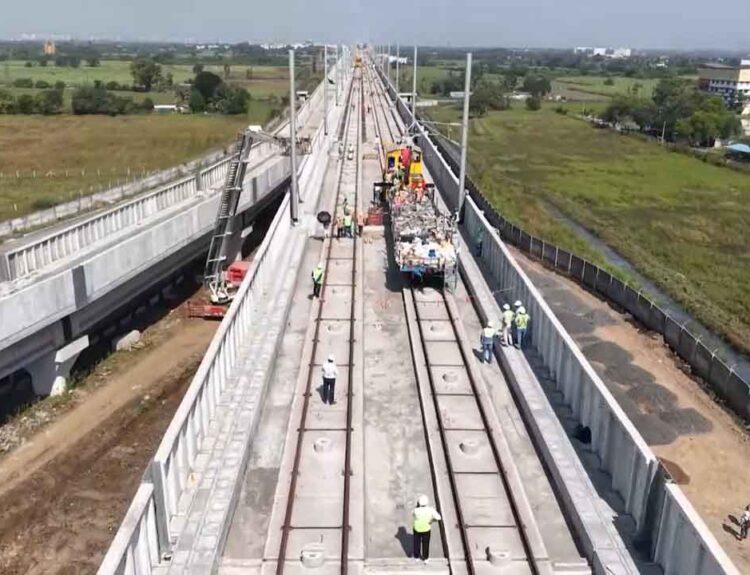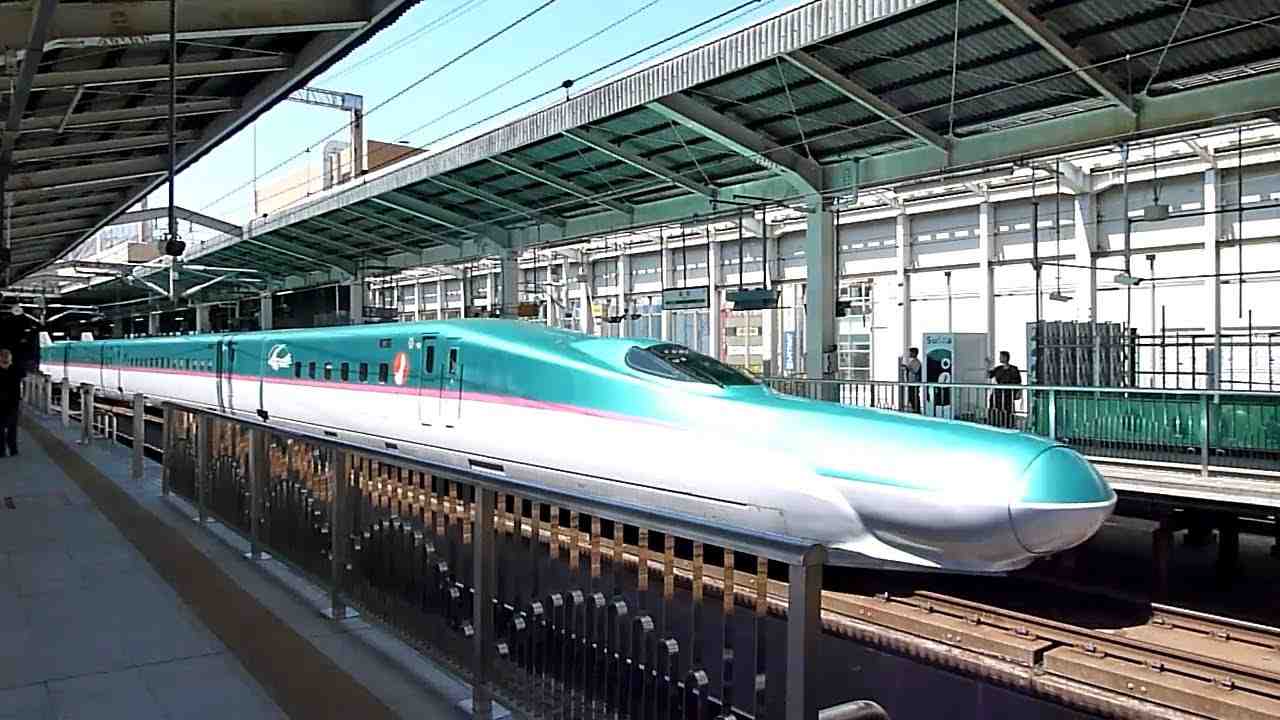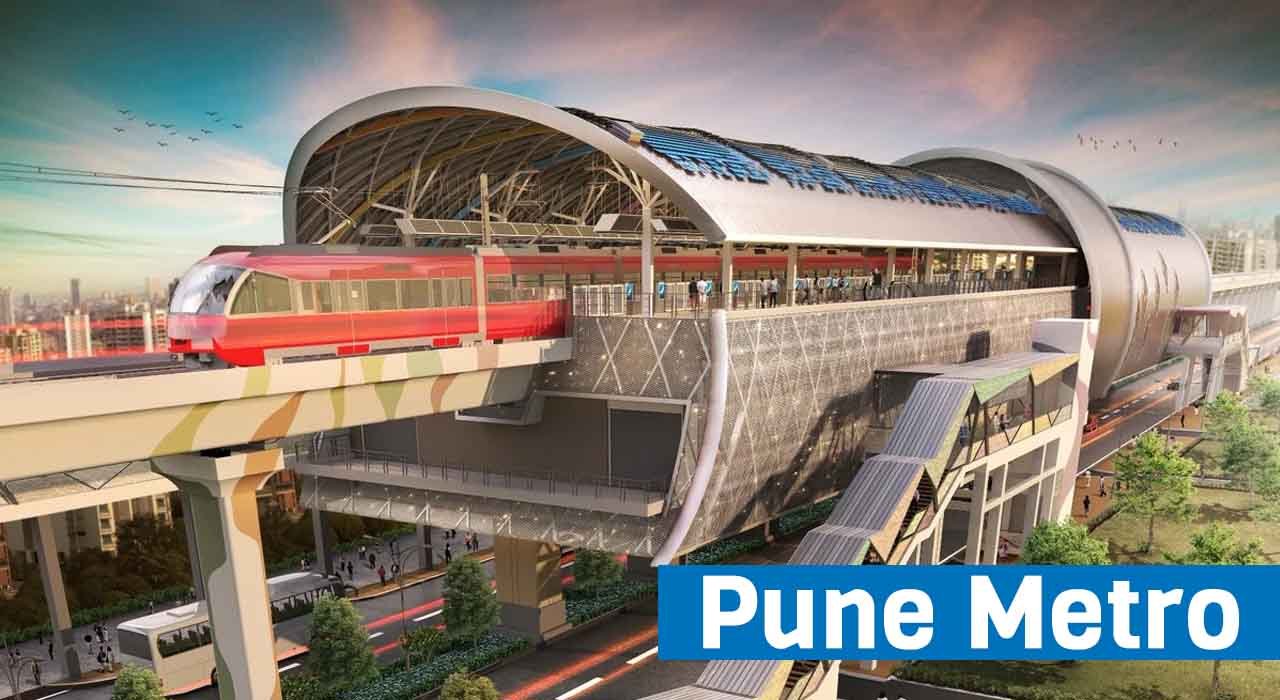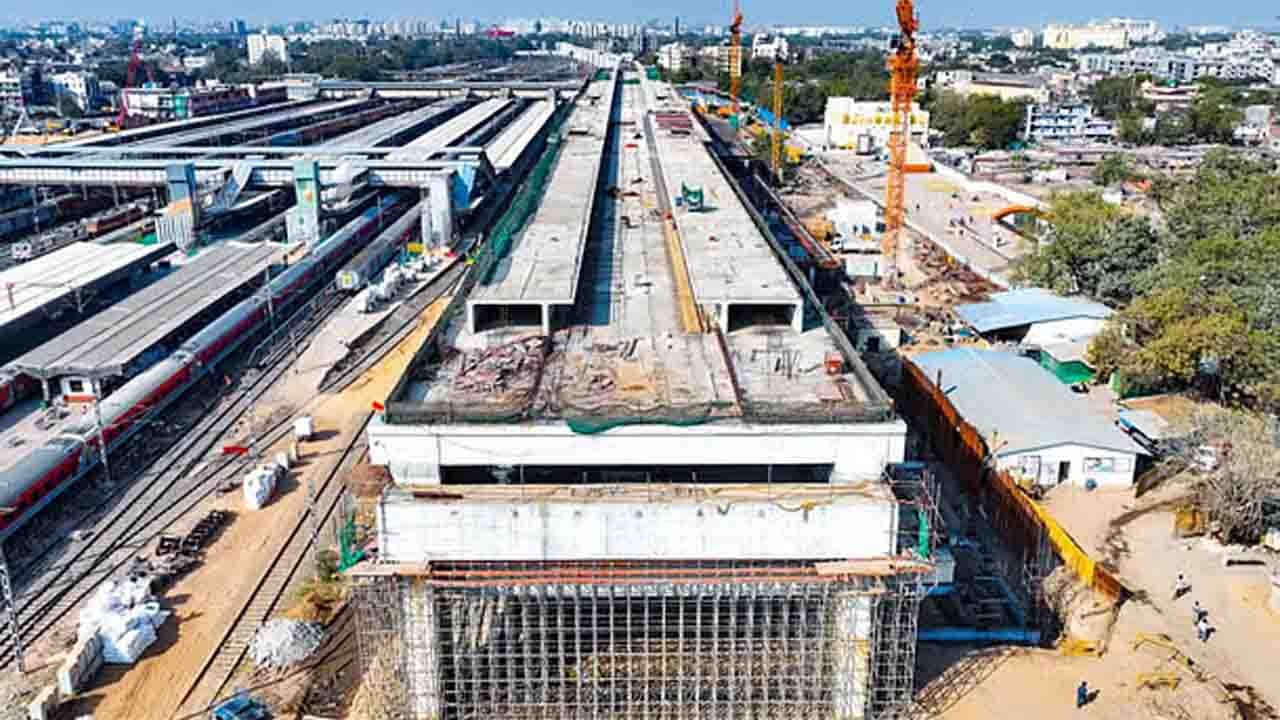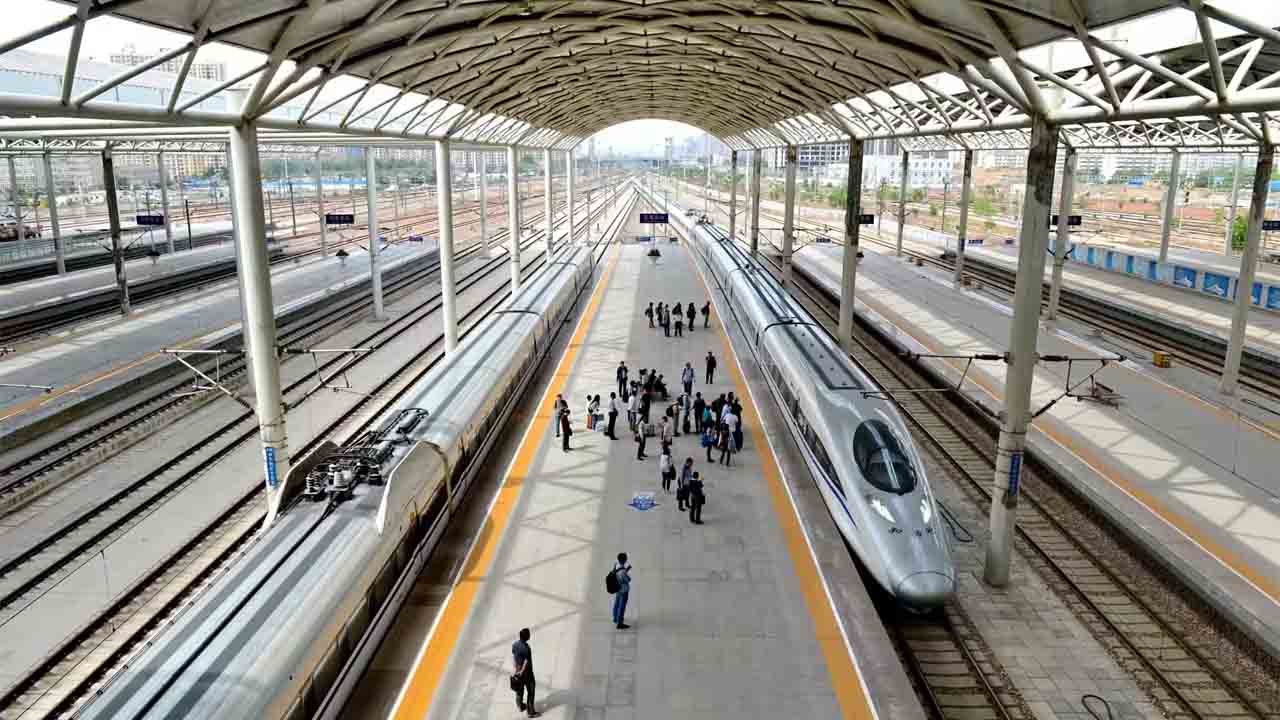
India’s most ambitious high-speed rail project, the Mumbai–Ahmedabad Bullet Train, is now evolving beyond fast travel into a fully integrated mobility network. The latest focus is on connecting bullet train stations with metro systems, suburban rail, buses, and last-mile transport, creating a seamless, end-to-end travel experience.
This shift marks a decisive move toward building smart, commuter-first infrastructure where passengers can transition between transport modes without friction.
Table of Contents
Bullet Train Stations to Become Multi-Modal Transport Hubs
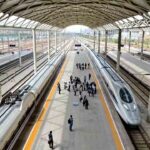
Rather than functioning as isolated terminals, bullet train stations are being designed as multi-modal hubs. This means every station will act as a central interchange point where different transport systems converge.
Passengers arriving at a station will be able to directly access metro lines, city buses, and local trains within minutes. The aim is to eliminate long transfer times and reduce dependence on private vehicles.
In cities like Mumbai and Ahmedabad, where traffic congestion remains a persistent issue, this integration could significantly improve urban mobility efficiency.
Seamless Travel Experience from Start to Finish
The integration plan prioritizes passenger convenience at every stage of the journey. From booking tickets to reaching the final destination, the system is being built to ensure minimal disruption.
Unified ticketing is expected to play a key role. Travelers may soon be able to use a single ticket or digital platform for multiple modes of transport, simplifying the entire journey.
Clear signage, pedestrian-friendly pathways, and real-time transit information systems will further enhance ease of movement within and around stations.
The bullet train corridor connects major economic centers, including Mumbai, Surat, Vadodara, and Ahmedabad. Each of these cities is set to benefit from improved transport integration.
- Mumbai: Stations will link with metro corridors and suburban rail networks, enabling smooth urban transit.
- Surat: Integration with local bus systems and future metro plans will strengthen connectivity in one of India’s fastest-growing cities.
- Vadodara: Enhanced rail and road access will position the city as a key regional hub.
- Ahmedabad: Direct links with metro and BRTS will ensure efficient last-mile connectivity.
This network will not only reduce travel time between cities but also improve intra-city accessibility.
Transit-Oriented Development to Drive Urban Growth
Beyond transport, the project is expected to reshape urban landscapes through Transit-Oriented Development (TOD). High-density residential, commercial, and retail spaces are being planned around station areas.
Such development encourages people to live and work near transit hubs, reducing commute times and promoting public transport usage. Over time, this could lead to more sustainable and organized urban expansion.
Technology to Power Smart Mobility
Digital infrastructure will play a crucial role in ensuring smooth operations. Integrated mobile applications, smart parking systems, and AI-driven traffic management are expected to be part of the ecosystem.
These technologies will help manage passenger flow, reduce congestion, and provide real-time updates, making travel more predictable and efficient.
Environmental and Economic Impact
The integration of bullet train stations with city transport systems is expected to deliver long-term environmental benefits. By encouraging a shift from private vehicles to public transport, the project can help reduce carbon emissions and urban pollution.
Economically, improved connectivity often leads to increased business activity, higher property values, and job creation in surrounding areas.
A Blueprint for Future Infrastructure Projects
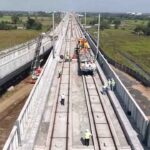
The Mumbai–Ahmedabad Bullet Train is emerging as more than just a high-speed corridor. Its focus on seamless connectivity and integrated planning sets a new benchmark for infrastructure development in India.
As execution progresses, this model could be replicated in future projects, shaping the next generation of urban transport systems.
In the coming years, commuters may not just travel faster between cities; they may experience a completely redefined journey, where every connection is smooth, efficient, and intelligently designed.