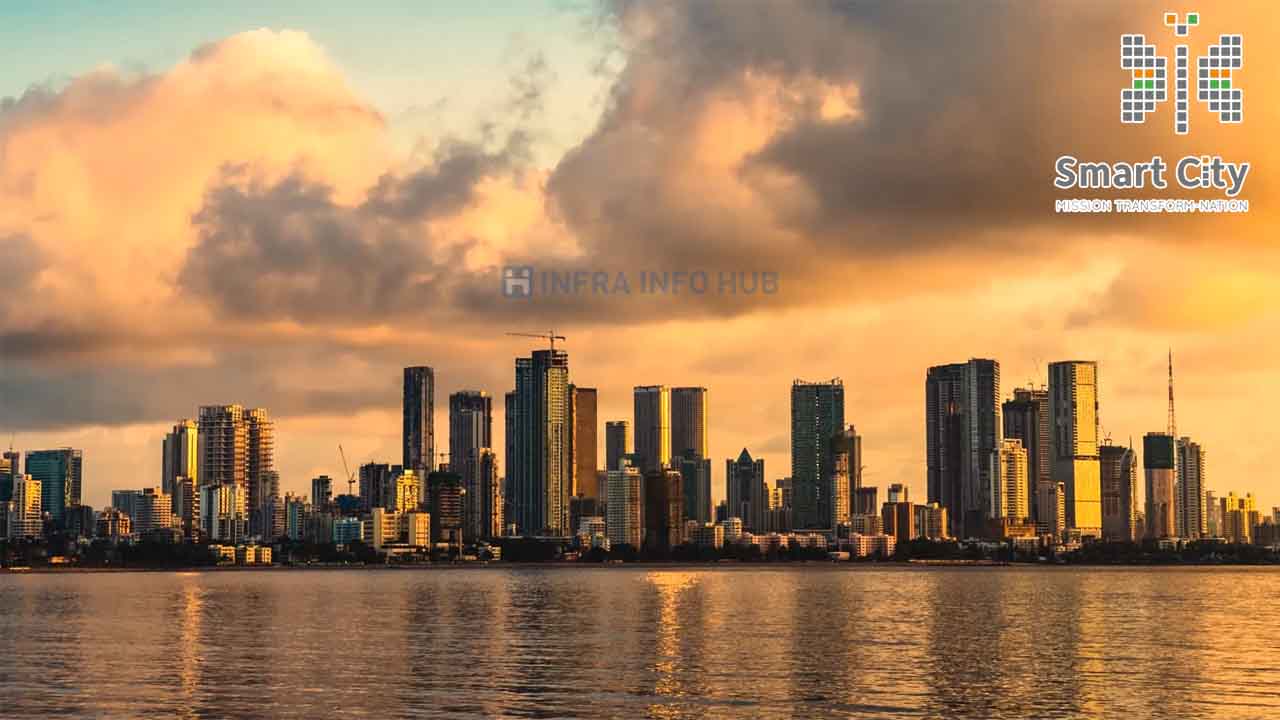
India’s urban future is being redesigned through a nationwide shift toward technology-driven, sustainable, and citizen-centric cities. The Smart Cities Mission has moved far beyond pilot projects and vision documents. Across the country, real-world systems—intelligent traffic control, integrated command centres, digital governance platforms, green mobility, and resilient infrastructure—are reshaping how Indian cities function, grow, and serve their populations.
This article presents a comprehensive, deeply researched overview of smart cities in India, covering objectives, technologies, flagship cities, sector-wise transformation, funding models, challenges, and the long-term impact on India’s economic and social fabric.
Table of Contents
- 1 What Defines a Smart City in India
- 2 Objectives of the Smart Cities Mission
- 3 Governance Structure and Implementation Model
- 4 List of Smart Cities in India
- 5 State-wise List of Smart Cities in India
- 6 Major Smart Cities in India Leading the Transformation
- 7 Integrated Command and Control Centres (ICCCs)
- 8 Smart Mobility and Urban Transport Systems
- 9 Digital Governance and Citizen Services
- 10 Environmental Sustainability and Resource Management
- 11 Economic Impact and Job Creation
- 12 Challenges Facing Smart Cities in India
- 13 The Future of Smart Cities in India
- 14 Conclusion
What Defines a Smart City in India
A smart city in India is not defined by skyscrapers or aesthetics alone. It is measured by outcomes: efficiency, inclusivity, resilience, and quality of life.
Key defining pillars include:
- Digital governance and e-services
- Intelligent mobility and traffic management
- Reliable water and power supply
- Waste-to-energy and solid waste management
- Affordable housing and urban renewal
- Environmental sustainability
- Public safety through surveillance and analytics
- Citizen participation via digital platforms
Indian smart cities are designed to be adaptive rather than rigid, combining retrofitting, redevelopment, and greenfield development depending on local needs.
Objectives of the Smart Cities Mission
The Smart Cities Mission was launched to address systemic urban challenges while preparing cities for future population growth.
Core objectives include:
- Improving ease of living for urban residents
- Creating sustainable and inclusive urban ecosystems
- Leveraging technology for governance efficiency
- Attracting domestic and foreign investment
- Generating employment through urban innovation
- Reducing environmental and infrastructure stress
Unlike earlier urban schemes, the mission emphasizes area-based development coupled with pan-city solutions.
Governance Structure and Implementation Model
Each selected city operates through a Special Purpose Vehicle (SPV), ensuring professional execution and financial discipline. SPVs are empowered to plan, approve, implement, and monitor projects without bureaucratic delays.
Funding sources include:
- Central government grants
- State government contributions
- Urban local body resources
- Public-private partnerships
- Multilateral development financing
This hybrid model has enabled faster execution and accountability.
List of Smart Cities in India
Below is the list of 100 smart cities in India:
- Jammu
Lucknow
Kanpur
Prayagraj
Varanasi
Gorakhpur
Raebareli
Jhansi
Aligarh
Saharanpur
Bareilly
Agra
Rampur
Moradabad
Meerut
Chennai
Coimbatore
Dindigul
Erode
Madurai
Salem
Thanjavur
Thoothukudi
Tiruchirappalli
Tirunelveli
Tiruppur
Vellore
Thane
Kalyan-Dombivali
Nashik
Amravati
Solapur
Nagpur
Pune
Aurangabad
Bhopal
Indore
Jabalpur
Gwalior
Satna
Ujjain
Sagar
Bengaluru
Mangaluru
Belagavi
Shivamogga
Hubbali-Dharwad
Tumakuru
Davanagere
Gandhinagar
Surat
Vadodara
Rajkot
Ahmedabad
Dahod
Amaravati
Visakhapatnam
Kakinada
Tirupati
Jaipur
Udaipur
Ajmer
Kota
Patna
Muzaffarpur
Bhagalpur
Biharsharif
Ludhiana
Jalandhar
Amritsar
Raipur
Bilaspur
Naya Raipur
Thiruvananthapuram
Kochi
Warangal
Karimnagar
Karnal
Faridabad
Bhubaneshwar
Rourkela
Gangtok
Namchi
Srinagar
Guwahati
Dharamshala
Dehradun
Ranchi
Imphal
Port Blair
Pasighat
Chandigarh
Silvassa
Diu
New Delhi
Panaji
Kavaratti
Shillong
Aizawl
Kohima
Oulgaret
Agartala
State-wise List of Smart Cities in India
Given below is a State-wise list of smart cities in India:
S. No. | Name of State/ UT | Number of Smart Cities | Names of Cities Proposed by States |
1 | Uttar Pradesh | 14 | Lucknow, Kanpur, Prayagraj, Varanasi, Gorakhpur, Raebareli, Jhansi, Aligarh, |
2 | Tamil Nadu | 12 | Chennai, Coimbatore, Dindigul, Erode, Madurai, Salem, Thanjavur, Thoothukudi, |
3 | Maharashtra | 8 | Thane, Kalyan-Dombivali, Nashik, Amravati, Solapur, Nagpur, Pune, Aurangabad |
4 | Madhya Pradesh | 7 | Bhopal, Indore, Jabalpur, Gwalior, Satna, Ujjain, Sagar |
5 | Karnataka | 7 | Bengaluru, Mangaluru, Belagavi, Shivamogga, Hubbali-Dharwad, Tumakuru, Davanagere |
6 | Gujarat | 6 | Gandhinagar, Surat, Vadodara, Rajkot, Ahmedabad, Dahod |
7 | Andhra Pradesh | 4 | Amaravati, Visakhapatnam, Kakinada, Tirupati |
8 | Rajasthan | 4 | Jaipur, Udaipur, Ajmer, Kota |
9 | Bihar | 4 | Patna, Muzaffarpur, Bhagalpur, Biharsharif |
10 | Punjab | 3 | Ludhiana, Jalandhar, Amritsar |
11 | Chhattisgarh | 3 | Raipur, Bilaspur, Naya Raipur |
12 | Kerala | 2 | Thiruvananthapuram, Kochi |
13 | Telangana | 2 | Warangal, Karimnagar |
14 | Haryana | 2 | Karnal, Faridabad |
15 | Odisha | 2 | Bhubaneshwar, Rourkela |
16 | Sikkim | 2 | Gangtok, Namchi |
17 | Jammu and Kashmir | 2 | Jammu and Srinagar |
18 | Assam | 1 | Guwahati |
19 | Himachal Pradesh | 1 | Dharamshala |
20 | Uttarakhand | 1 | Dehradun |
21 | Jharkhand | 1 | Ranchi |
22 | Manipur | 1 | Imphal |
23 | Andaman and Nicobar Islands | 1 | Port Blair |
24 | Arunachal Pradesh | 1 | Pasighat |
25 | Chandigarh | 1 | Chandigarh |
26 | Dadra and Nagar Haveli | 1 | Silvassa |
27 | Daman and Diu | 1 | Diu |
28 | Delhi | 1 | New Delhi |
29 | Goa | 1 | Panaji |
30 | Lakshadweep | 1 | Kavaratti |
31 | Meghalaya | 1 | Shillong |
32 | Mizoram | 1 | Aizawl |
33 | Nagaland | 1 | Kohima |
34 | Puducherry | 1 | Oulgaret |
35 | Tripura | 1 | Agartala |
Major Smart Cities in India Leading the Transformation
Pune
Pune has emerged as a leader in intelligent traffic systems, public transport integration, and digital citizen services. Adaptive traffic signals and data-driven mobility planning have significantly reduced congestion.
Bengaluru
Bengaluru focuses on technology-enabled governance, smart energy grids, and innovation districts aligned with its global IT ecosystem.
Indore
Indore stands out nationally for solid waste management, achieving near-zero landfill status through decentralized processing and citizen participation.
Ahmedabad
Ahmedabad integrates smart mobility, heritage conservation, and urban redevelopment, balancing modernization with cultural preservation.
Bhubaneswar
Bhubaneswar has gained recognition for urban planning, open data platforms, and disaster-resilient infrastructure.
Integrated Command and Control Centres (ICCCs)
ICCCs form the digital backbone of smart cities. These centralized hubs integrate data from multiple departments:
- Traffic and transport
- Law enforcement
- Emergency response
- Water and power utilities
- Environmental sensors
- Public grievance platforms
Real-time dashboards enable predictive decision-making, rapid incident response, and inter-agency coordination.
Smart Mobility and Urban Transport Systems
Urban mobility is a primary focus area due to rising congestion and pollution.
Key initiatives include:
- Intelligent traffic signal systems
- GPS-enabled public transport
- Integrated ticketing and mobility cards
- Electric bus fleets
- Smart parking solutions
- Pedestrian-friendly street design
Cities adopting multimodal transport planning are seeing measurable reductions in commute time and emissions.
Digital Governance and Citizen Services
Smart governance is redefining the citizen–state relationship.
Major components include:
- Online building approvals
- Digital property tax systems
- Grievance redressal apps
- Open data portals
- E-procurement platforms
These systems reduce corruption, improve transparency, and enhance service delivery speed.
Environmental Sustainability and Resource Management
Indian smart cities are prioritizing environmental resilience.
Initiatives include:
- Smart water metering and leakage detection
- Rainwater harvesting systems
- Solar rooftops and microgrids
- Waste segregation and processing
- Air quality monitoring networks
Sustainability is embedded into urban planning rather than treated as an add-on.
Economic Impact and Job Creation
Smart city development has catalyzed:
- Construction and infrastructure employment
- Urban technology startups
- Data analytics and IoT services
- Electric mobility ecosystems
- Facility management and operations
Cities with strong innovation clusters are attracting sustained private investment.
Challenges Facing Smart Cities in India
Despite progress, several challenges persist:
- Capacity constraints in urban local bodies
- Land acquisition and legacy infrastructure
- Data interoperability issues
- Cybersecurity risks
- Funding sustainability beyond government grants
Addressing these challenges requires institutional reforms and continuous skill development.
The Future of Smart Cities in India
The next phase will emphasize:
- AI-driven urban analytics
- Climate-resilient infrastructure
- Digital twins for city planning
- Autonomous mobility pilots
- Citizen co-creation platforms
Smart cities are evolving into adaptive, learning systems rather than static projects.
Conclusion
Smart cities in India are redefining urban governance, infrastructure delivery, and citizen engagement at an unprecedented scale. Backed by institutional reform, digital depth, and financial innovation, the mission has moved beyond concept into measurable impact. As India urbanises further, smart cities will not remain exceptions—they will become the default blueprint for future urban development.