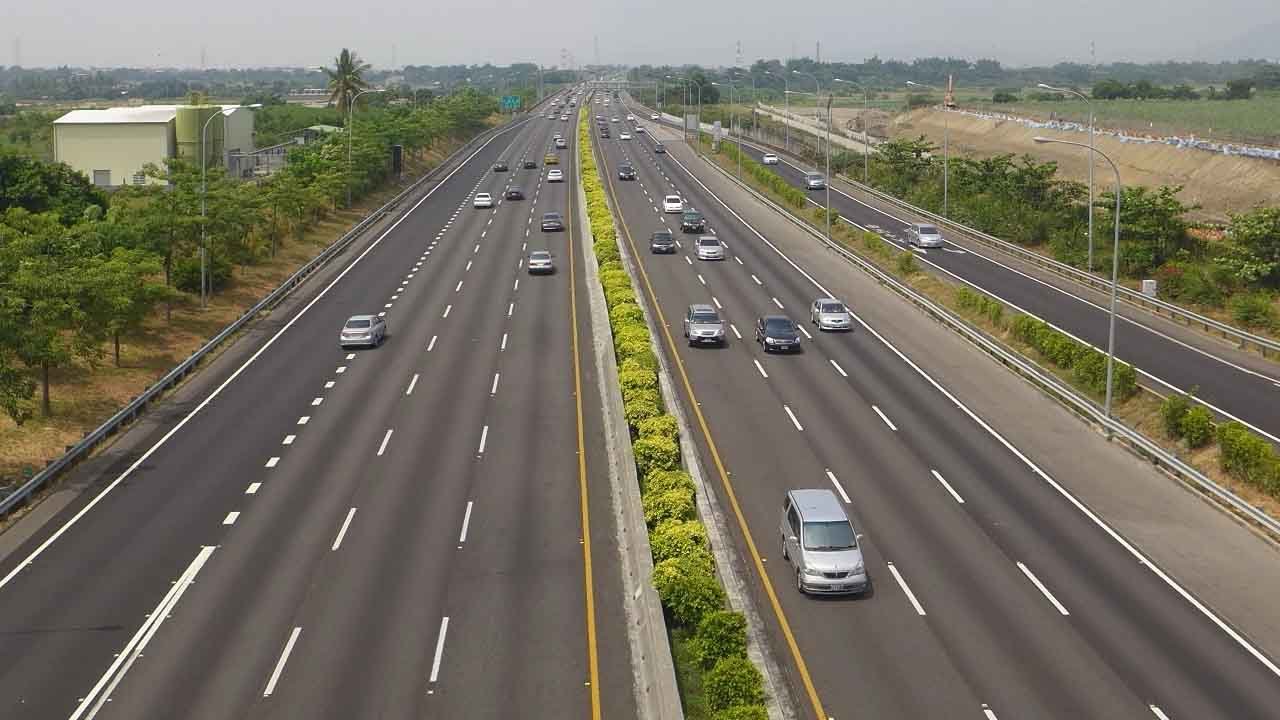
Bihar is on the brink of a significant shift in how it builds and uses road infrastructure. After decades of lagging behind faster growing states, 2026 is shaping up as a turning point. The year is expected to see the opening of Bihar’s first six lane national highway, the rollout of access controlled corridors, and the start of construction on multiple expressways that could fundamentally change travel across the state.
Together, these projects aim to shorten travel times, improve freight movement, and link Bihar more tightly with national economic corridors running through northern and eastern India.
Table of Contents
Bihar’s First Six Lane Highway Takes Shape
At the centre of this transformation is the Varanasi–Aurangabad six lane highway, now nearing completion. Once operational, it will become Bihar’s first highway of this scale. The corridor is designed to improve connectivity between Patna, Varanasi, and the wider Delhi bound network through Uttar Pradesh.
For both passenger traffic and logistics operators, the impact is expected to be immediate. Long journeys that currently involve uneven roads and bottlenecks are likely to become faster and more predictable, helping Bihar integrate more smoothly into inter state transport flows.
Running alongside it is the Aurangabad–Chorda six lane road, also approaching its final stages. This stretch strengthens links toward Jharkhand and West Bengal, reinforcing Bihar’s role as a transit state connecting eastern and northern markets.
Expressways and Access Controlled Corridors Arrive
Beyond widening existing highways, Bihar is preparing to enter the expressway era. The Patna–Purnia corridor has already received expressway status from the Centre, clearing a crucial policy hurdle. Financial approvals are awaited, after which construction is expected to move quickly.
Several other expressways are lined up for execution in 2026, including routes connecting Gorakhpur to Siliguri, Raxaul to Haldia, and Buxar to Bhagalpur. Chosen for their economic and logistical relevance, these corridors are expected to support freight movement, industrial growth, and regional tourism.
The Amas–Darbhanga corridor adds another dimension to this shift. Designed as an access controlled highway with limited entry points and higher design speeds, it marks Bihar’s move toward modern highway standards. Though initially slated for earlier completion, the project is now expected to be ready by 2026.
Bridges That Unlock the Network
Road expansion in Bihar is being reinforced by a series of large bridge projects. The Kacchi Dargah–Bidupur bridge near Patna, a nearly 10 kilometre six lane crossing over the Ganges, became operational in 2025. It has already eased river crossings and strengthened links between major national highways on either side of the river.
Further north, the Aunta–Simaria bridge has improved north south connectivity, cutting travel times between cities such as Darbhanga, Samastipur, Saharsa, and Patna. Together, these bridges are helping remove some of the most persistent choke points in the state’s transport network.
Faster Travel and Economic Spillovers
The impact of these projects goes beyond smoother drives. High capacity highways and expressways are expected to significantly cut travel times, including on routes connecting Bihar to Delhi via Uttar Pradesh. For freight, the benefits are even more pronounced, with more reliable logistics for agriculture, manufacturing, and trade.
Improved road access is also likely to attract investment into warehousing, industrial parks, and agro processing zones. Construction activity itself is generating employment, while better connectivity is expected to support longer term job creation in transport and services.
Upgrading the Wider Road Network
Alongside marquee projects, Bihar is also upgrading a wide range of four lane and two lane roads. Corridors such as Gaya–Biharsharif, Baisi–Bahadurganj–Dighalbank, Bettiah–Narkatiaganj, and Katihar–Balrampur are being improved to strengthen inter district connectivity.
Urban and peri urban routes are also seeing attention. Sections of the Patna–Bettiah corridor, including the Sonpur–Bakarpur–Manikpur stretch, are nearing completion. Projects like Bakhtiyarpur–Tajpur are expected to improve access to Patna AIIMS and surrounding suburban areas that have long struggled with congestion.
A Turning Point for Bihar’s Transport Landscape
Taken together, these developments mark a clear shift in Bihar’s infrastructure strategy. The move toward six lane highways, expressways, access controlled roads, and large river crossings reflects an effort to build capacity not just for today, but for the next several decades.
If execution stays on track, 2026 could be remembered as the year Bihar’s roads began telling a different story. One defined less by bottlenecks and delays, and more by speed, connectivity, and economic opportunity.