
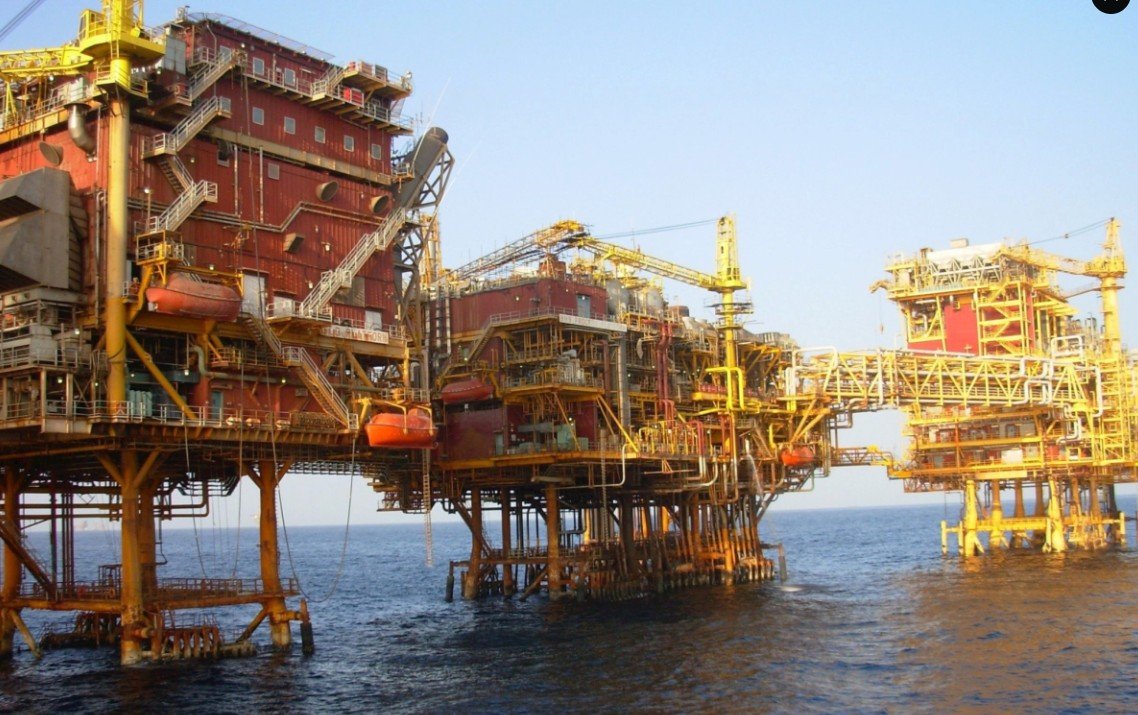
State-owned Oil and Natural Gas Corporation (ONGC) is exploring a major shift in how it secures deepwater drilling capacity, issuing an Expression of Interest (EoI) to engage specialist global offshore rig-broking consultants. The move signals that ONGC may soon own or co-own its own deepwater drillships rather than continuing to depend entirely on chartering rigs from third parties.
Why ONGC Wants Its Own Drillships
The EoI is aimed at bringing in consultants who can identify potential drillship owners, assess the value and condition of available assets, and support ONGC through negotiations for possible ownership or joint venture arrangements. Essentially, ONGC wants expert help navigating the complex global market for offshore drilling rigs, an industry where availability and pricing can fluctuate sharply based on worldwide demand.
Notably, the company has specified that it’s looking for experience with deepwater-capable floaters rated for water depths of 1,500 metres or more. That requirement underscores just how technically demanding India’s expanding offshore ambitions have become, as the easier, shallow-water fields give way to exploration in far more challenging deepwater and ultra-deepwater zones.
The broader goal here is strategic: rather than competing with other oil majors for limited third-party rig availability whenever drilling windows open up, ONGC wants dedicated, priority-access capacity that it can rely on consistently. Owning or co-owning drillships would give the company more control over scheduling, costs, and long-term planning for its deepwater exploration campaigns.
The Bigger Picture: Mission Samudra Manthan
This drillship push is part of a much larger national effort called Mission Samudra Manthan, India’s ambitious programme to unlock the country’s largely untapped offshore oil and gas reserves. The Union Cabinet approved the mission last month with a massive outlay of Rs 84,084 crore, to be deployed through the 2030-31 financial year.
The scheme is squarely focused on accelerating exploration in deepwater and ultra-deepwater areas, zones that have historically been under-explored in India due to the high costs and technical complexity involved. To make these expensive projects more viable, the government has built in significant financial support: it will cover up to 50 per cent of deepwater exploration well costs, subject to a cap of Rs 675 crore per well. That kind of backing is designed to de-risk what would otherwise be an extremely capital-intensive undertaking for explorers like ONGC.
Samudra Manthan isn’t just about wells, either. The programme also includes large-scale seismic surveys to map offshore reserves more accurately, along with the development of common offshore production infrastructure that multiple projects can potentially share, helping bring down costs across the board. In total, the scheme envisions drilling 60 deepwater exploration wells as India works to reduce its heavy reliance on imported crude oil.
ONGC’s Own Ambitious Targets
Within this national framework, ONGC has set out an aggressive plan of its own: drilling 150 deepwater wells over the next seven years. The company is chasing a prize worth pursuing: nearly 5,600 million tonnes of oil equivalent in deepwater and ultra-deepwater hydrocarbon potential believed to exist in Indian waters.
Reaching those reserves, however, requires the kind of specialized, high-spec drilling equipment that isn’t always readily available. That’s precisely the gap ONGC’s drillship strategy is trying to close, ensuring the company has the rig capacity to actually execute on its ambitious well-count targets rather than being constrained by market availability.
Building Momentum With Existing Contracts
ONGC isn’t starting from scratch on this front. The company has already locked in multiple drillship contracts to support its ongoing deepwater work. Among the most notable is a $300 million, two-year contract awarded to Transocean for the Dhirubhai Deepwater KG2 rig, which is expected to begin operations in the first quarter of 2027.
That contract offers a glimpse of the scale of investment involved in securing even a single high-spec deepwater rig, and it helps explain why ONGC may see long-term ownership or joint ventures as a more cost-effective path forward compared to repeatedly chartering vessels on the open market.
What It Means for India’s Energy Future
If ONGC succeeds in securing dedicated drillship capacity, it could meaningfully speed up the pace of India’s deepwater exploration efforts over the coming years. With billions of rupees in government backing now in place and an ambitious well-drilling target on the table, the coming months will be crucial in determining how quickly ONGC can convert this strategic push into steady, on-ground exploration progress and how much closer India can get to reducing its dependence on imported oil.
