
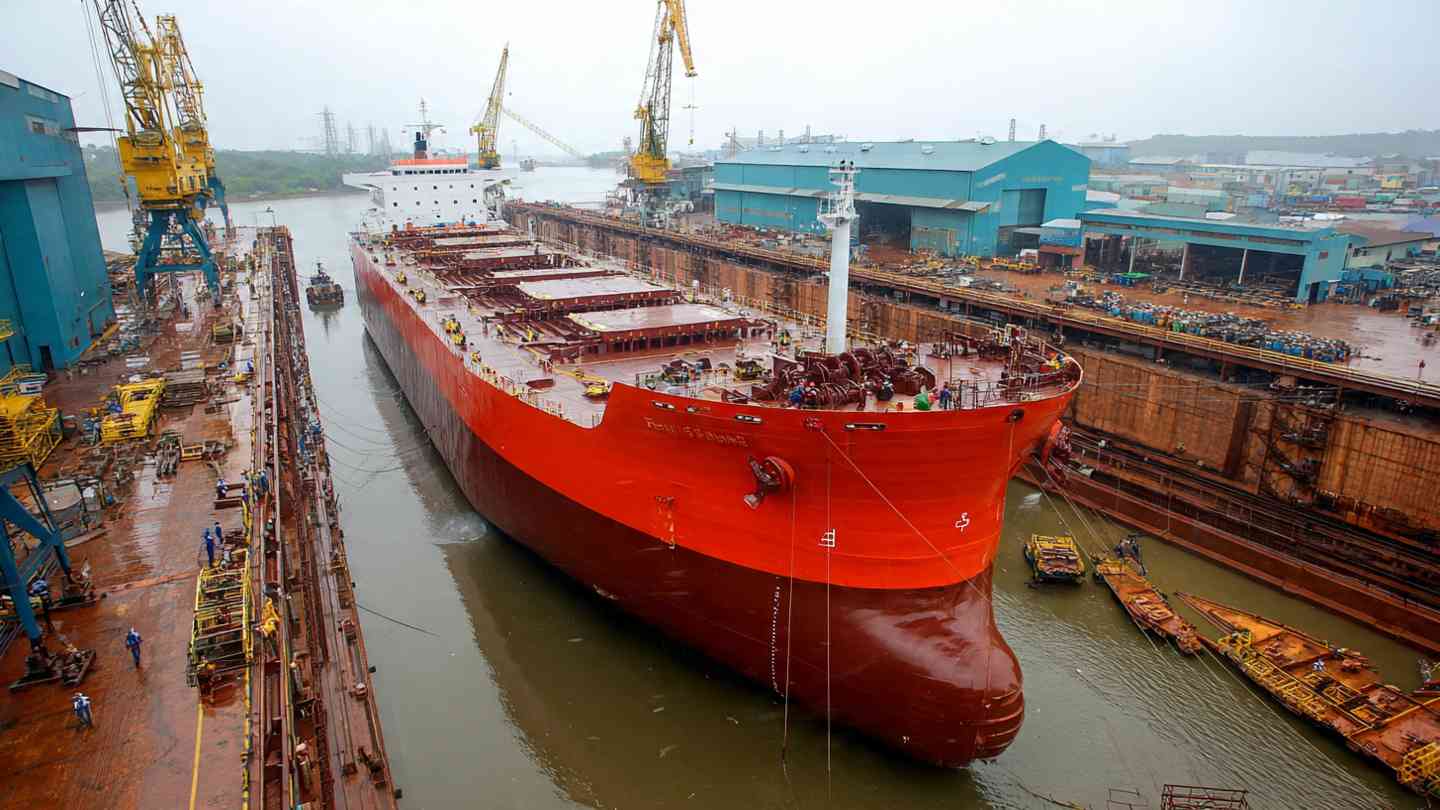
Tamil Nadu has announced an ambitious Shipbuilding Policy 2026, aiming to transform the state into one of India’s leading maritime manufacturing hubs. The policy focuses on building mega shipyards, promoting green vessel technology, and developing modern ship recycling clusters that meet international environmental standards.
The initiative is part of India’s broader effort to strengthen domestic shipbuilding capacity and capture a larger share of the global maritime manufacturing market. With its long coastline, strong industrial base, and major ports, Tamil Nadu is positioning itself as a strategic centre for shipbuilding, marine engineering, and maritime logistics.
Push for Green Shipbuilding and Sustainable Maritime Technology
A key highlight of the Shipbuilding Policy 2026 is its strong focus on green and sustainable vessel manufacturing. The state government aims to encourage the construction of environmentally friendly ships that use cleaner fuels and energy-efficient propulsion technologies.
Shipyards in Tamil Nadu will be encouraged to develop vessels powered by LNG, hybrid propulsion systems, hydrogen, and electric power. These technologies are increasingly being adopted worldwide as the maritime industry works to reduce carbon emissions and meet international environmental targets.
The policy aligns with global sustainability efforts promoted by the International Maritime Organization, which has set ambitious goals to cut greenhouse gas emissions from international shipping.
By prioritising green shipbuilding, Tamil Nadu hopes to attract international shipbuilders and maritime companies seeking environmentally compliant manufacturing facilities.
Mega Shipyards to Boost India’s Maritime Manufacturing
The policy also proposes the development of large-scale shipyards capable of building modern commercial and specialised vessels. These facilities will include advanced dry docks, fabrication yards, marine equipment manufacturing units, and integrated logistics infrastructure.
Such mega shipyards will enable the construction of cargo vessels, offshore support vessels, defence ships, and specialised industrial ships within India. The move is expected to strengthen the country’s maritime manufacturing ecosystem and reduce dependence on foreign shipyards.
Tamil Nadu already has a strategic maritime advantage with major ports such as Chennai Port, Kamarajar Port and VOC Port. These ports provide strong connectivity for shipbuilding operations, export logistics, and marine engineering activities.
With improved infrastructure and policy support, the state aims to attract both domestic and global investors in the shipbuilding sector.
Ship Recycling Clusters Planned Along the Coast
Another major component of the policy is the creation of modern ship recycling clusters along Tamil Nadu’s coastline. Ship recycling is a vital part of the maritime industry, allowing valuable materials such as steel, machinery, and components to be recovered from end-of-life vessels.
The state plans to develop environmentally responsible recycling facilities that comply with global safety and sustainability regulations. These facilities are expected to follow guidelines laid out under the Hong Kong International Convention for the Safe and Environmentally Sound Recycling of Ships.
Modern recycling yards will help reduce environmental damage while ensuring safer working conditions for labour involved in dismantling ships.
Investment Incentives and Job Creation
The Tamil Nadu government plans to support the shipbuilding sector through a range of incentives. These include capital subsidies, infrastructure support, tax benefits, and access to industrial land for maritime manufacturing projects.
The policy is expected to generate significant employment opportunities across sectors such as marine engineering, ship design, heavy fabrication, logistics, and port services. Skill development initiatives will also be introduced to train workers in specialised maritime technologies.
Officials believe the initiative could create thousands of jobs in coastal districts while boosting the state’s industrial economy.
Strengthening India’s Maritime Ambitions
India has long sought to expand its presence in global shipbuilding, which is currently dominated by countries such as South Korea, China, and Japan. By developing integrated shipbuilding ecosystems, states like Tamil Nadu could play a major role in boosting the country’s maritime manufacturing capacity.
With a combination of green shipbuilding, mega shipyards, and sustainable recycling infrastructure, Tamil Nadu’s Shipbuilding Policy 2026 signals a strong push to build a globally competitive maritime industry.
If implemented successfully, the policy could transform the state into a major hub for shipbuilding and maritime engineering in South Asia, while strengthening India’s position in the global shipping economy.
