The Philippine government has approved a major public-private partnership (PPP) programme aimed at tackling overcrowding and persistent classroom shortages across Luzon, signalling a renewed push to modernise public education facilities at scale.
The initiative known as the Public School Infrastructure Project Phase III (PSIP III)will be implemented by the Department of Education (DepEd) and is expected to deliver 16,459 new classrooms across 1,095 existing public schools in Luzon. Construction is scheduled to run between March 2027 and March 2028, with the programme expected to benefit at least 800,000 learners annually through improved facilities and expanded capacity.
Table of Contents
Targeting overcrowding and multi-shift learning
Classroom congestion remains one of the most visible infrastructure constraints in the Philippines’ public education system. In many high-density areas, schools are forced to operate on multiple shifts, reducing actual learning time per student and increasing pressure on teachers and administrators.
PSIP III is designed to address those issues directly by expanding physical capacity in the country’s most affected regions. The programme is projected to reduce the average class size from around 50 students to 39, helping schools transition away from double- and triple-shift schedules. Education planners say fewer students per classroom also creates a more manageable teaching environment, increases student contact time, and improves overall learning conditions.
A Build-Lease-and-Transfer PPP structure
Unlike conventional government procurement, PSIP III will be delivered as a solicited PPP using a Build-Lease-and-Transfer (BLT) arrangement. Under this model, a private partner will finance and construct the classrooms, lease the facilities to the government for a fixed period under performance conditions, and then transfer the assets to the state.
Infrastructure observers note that BLT has become increasingly favoured in social infrastructure because it can speed up delivery and improve lifecycle maintenance discipline. Instead of focusing solely on construction completion, BLT contracts typically require facilities to meet operational standards, pushing the private partner to build for durability and long-term use rather than just quick handover.
DepEd indicated that the PPP approach is intended to harness private-sector efficiency to deliver classroom infrastructure faster than traditional methods, particularly in areas where demand has outpaced government construction capacity.
Beyond classrooms: modern, secure, student-friendly schools
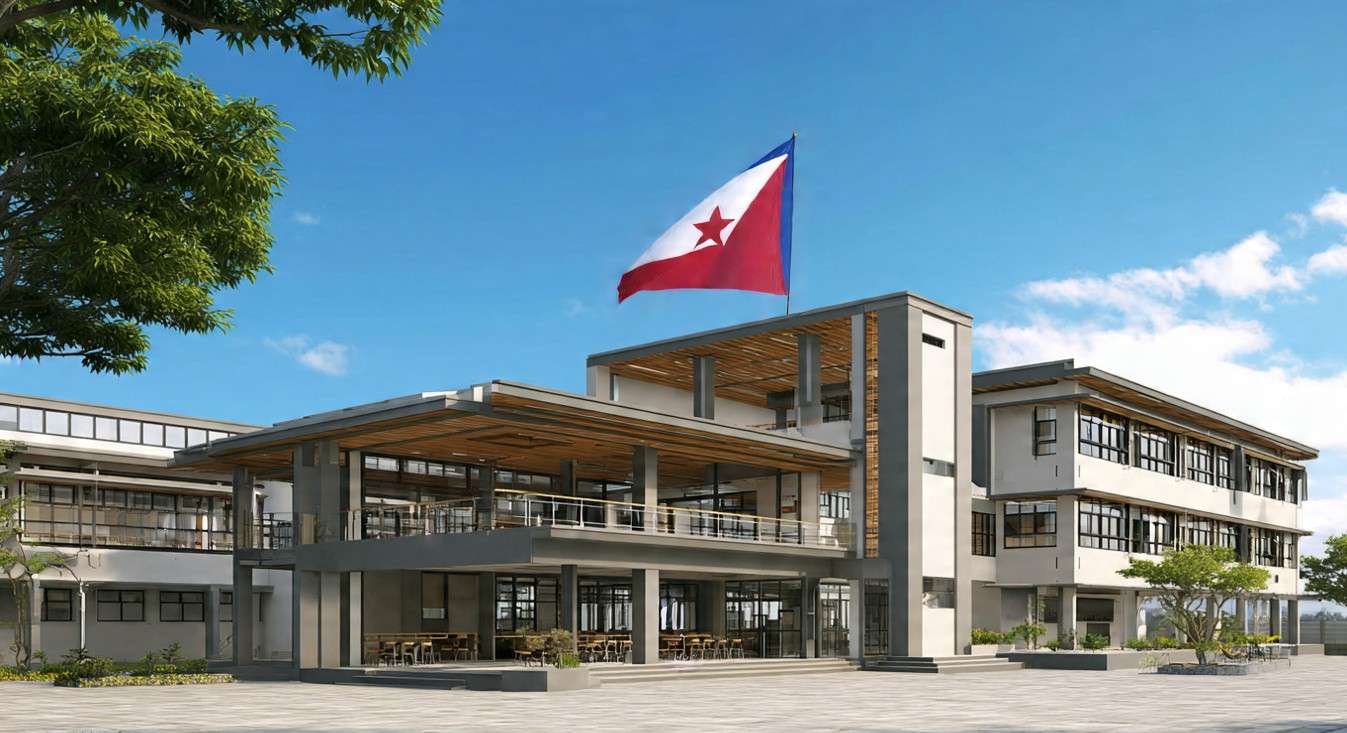
While classroom numbers are the headline metric, the programme’s stated aim goes beyond increasing capacity. The government wants PSIP III to improve the quality of public school environments by delivering safe, secure, and modern learning facilities that are student-friendly and fit for purpose.
These upgrades are particularly important in underserved communities where public schools often struggle with inadequate ventilation, ageing structures, and limited resilience to extreme weather. Officials have positioned the programme as part of a broader social development policy linking better school infrastructure to long-term outcomes such as improved student performance, higher graduation rates, and stronger economic mobility.
The initiative also complements DepEd’s existing Basic Education Facilities Programme by expanding the toolkit available for school construction and accelerating delivery in high-need zones.
Strategic focus on Luzon
Luzon remains the Philippines’ most populous island group and includes Metro Manila and several of the country’s fastest-growing provinces. Rapid urban expansion has intensified enrolment pressure across public schools, particularly in developing residential belts where population growth outpaces new facility construction.
By focusing PSIP III on Luzon, the government is effectively targeting a concentration of high-demand school districts where classroom gaps are most severe. The scale of over 16,000 classrooms across more than a thousand schools also indicates an intention to implement the programme as a system-wide intervention rather than isolated school projects.
Next steps and market implications
With government approval secured, PSIP III now moves into the pipeline of PPP procurement and structuring. The next phases typically include finalisation of project parameters, bidder engagement, tender scheduling, and contract award.
For the market, the programme is expected to attract interest from local and international contractors, infrastructure investors, and facilities delivery firms with experience in social infrastructure. Given the tight construction window from March 2027 to March 2028, delivery planning and supply chain readiness will likely play a major role in bidder competitiveness.
If implemented as planned, PSIP III could become one of the Philippines’ most significant social infrastructure PPPs in the education sector in recent years, offering both scale and long-term public impact through measurable improvements in classroom availability and learning conditions.