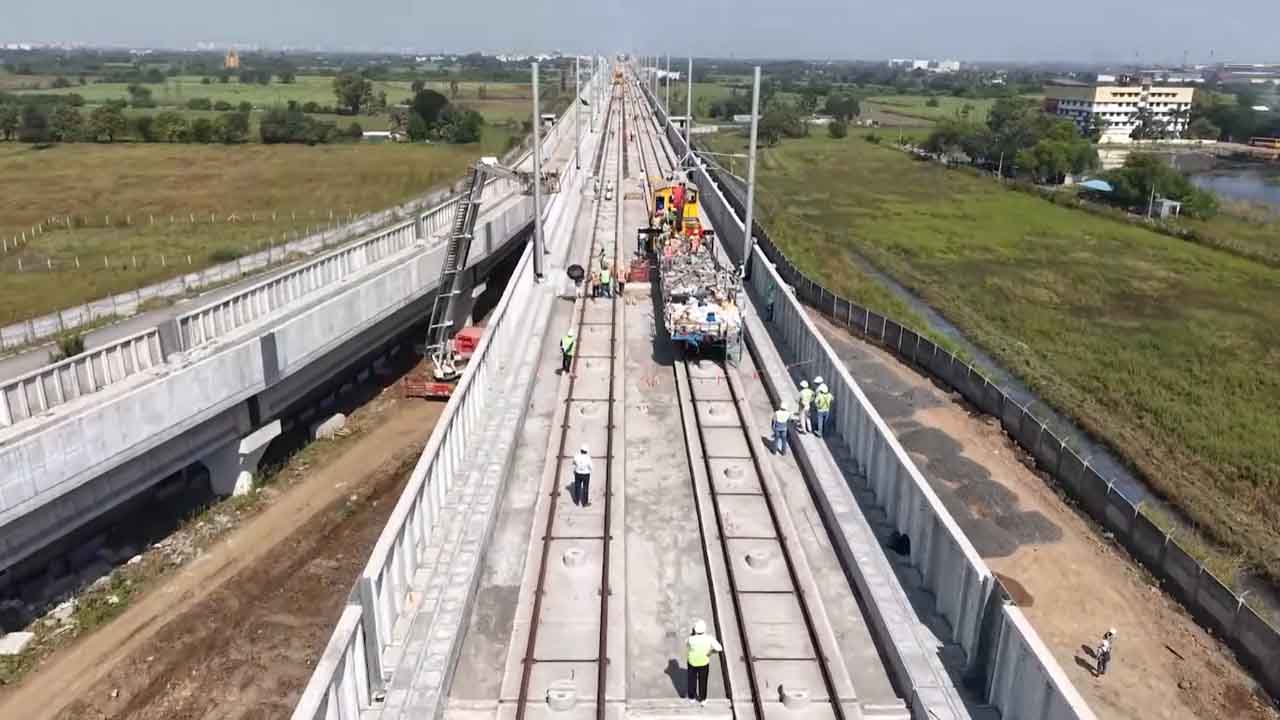
India’s ambitious Mumbai–Ahmedabad Bullet Train project has witnessed a significant rise in costs, with the Central Government deciding to absorb an additional ₹90,000 crore escalation to ensure uninterrupted progress. Importantly, officials have confirmed that no fresh loan will be sought from the Japan International Cooperation Agency (JICA), which is already the primary financier of the high-speed rail corridor.
The decision highlights the Centre’s commitment to complete the country’s first high-speed rail line, a project that is expected to transform intercity connectivity between Maharashtra and Gujarat. Despite construction delays and rising infrastructure costs, the government has chosen to directly shoulder the additional financial burden rather than renegotiate or expand foreign borrowing.
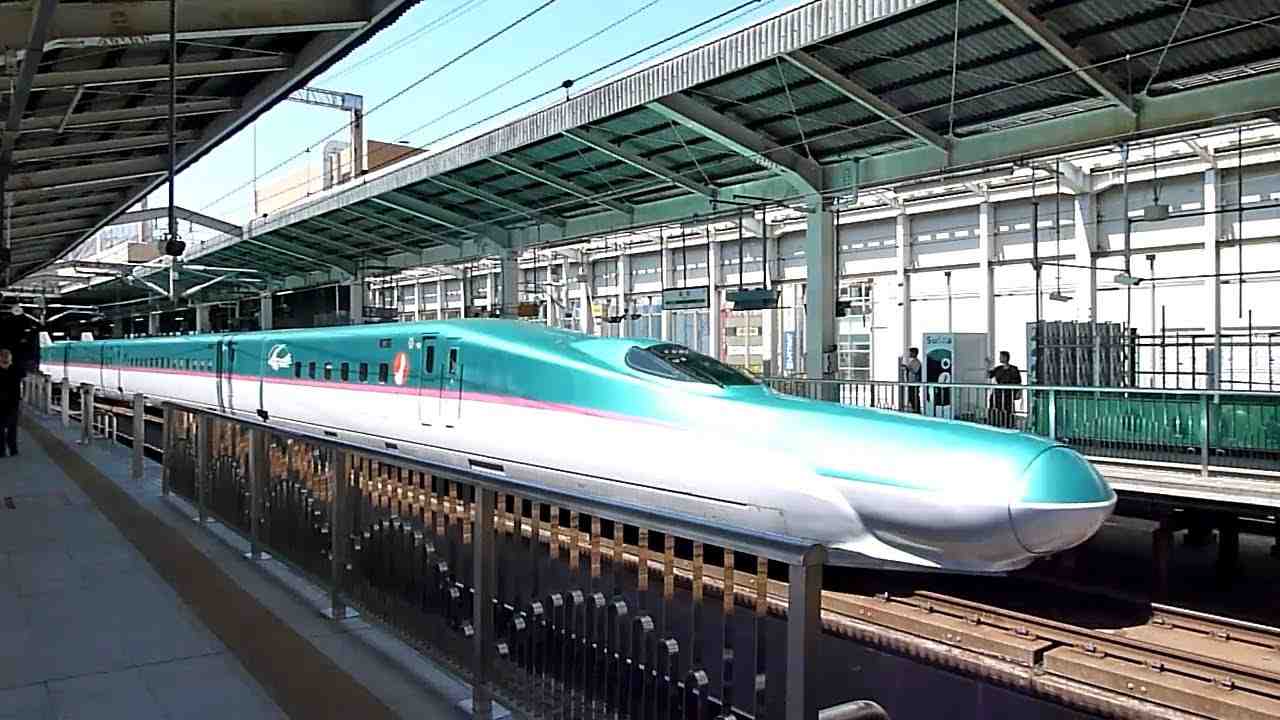
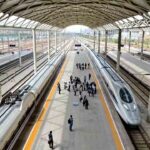
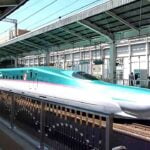
The Mumbai–Ahmedabad High-Speed Rail (MAHSR) project is a landmark infrastructure initiative aimed at introducing Japanese Shinkansen technology in India. Once operational, the 508-kilometre corridor will allow trains to travel at speeds of up to 320 km/h, dramatically reducing travel time between the two major cities.
Currently, the journey between Mumbai and Ahmedabad takes about six to seven hours by conventional rail, but the bullet train will bring this down to roughly two hours. The corridor will include 12 stations, connecting key economic centres such as Surat, Vadodara, Bharuch, and Sabarmati, making it one of India’s most strategically important transportation projects.
The project is being implemented by the National High Speed Rail Corporation Limited (NHSRCL), the government entity responsible for planning and executing high-speed rail systems in India.
When the bullet train project was approved in 2017, its estimated cost stood at approximately ₹1.08 lakh crore. However, several factors over the years have pushed the overall expenditure significantly higher.
One of the biggest challenges was delays in land acquisition, particularly in Maharashtra, which slowed construction schedules. Infrastructure projects of this scale depend heavily on timely land availability, and delays inevitably increase costs.
Another major factor has been the rising price of construction materials, including steel and cement. Global inflation and supply chain disruptions in recent years have made large infrastructure projects more expensive to build.
In addition, the corridor involves complex engineering works, including a 21-kilometre underground tunnel, part of which will pass beneath Thane Creek. This undersea tunnel is one of the most technically demanding components of the entire project.
Despite the escalation, the government has clarified that the original financing arrangement with Japan will remain unchanged.
Under the existing agreement, JICA finances about 81 percent of the project cost through a highly concessional loan. The loan terms are among the most favourable ever offered for a major infrastructure project, carrying an interest rate of just 0.1 percent with a repayment period of 50 years and a 15-year moratorium.
The remaining cost is shared between the Government of India and the states of Gujarat and Maharashtra. By choosing to absorb the cost escalation internally, the Centre aims to maintain financial stability and avoid delays that could arise from renegotiating international funding.
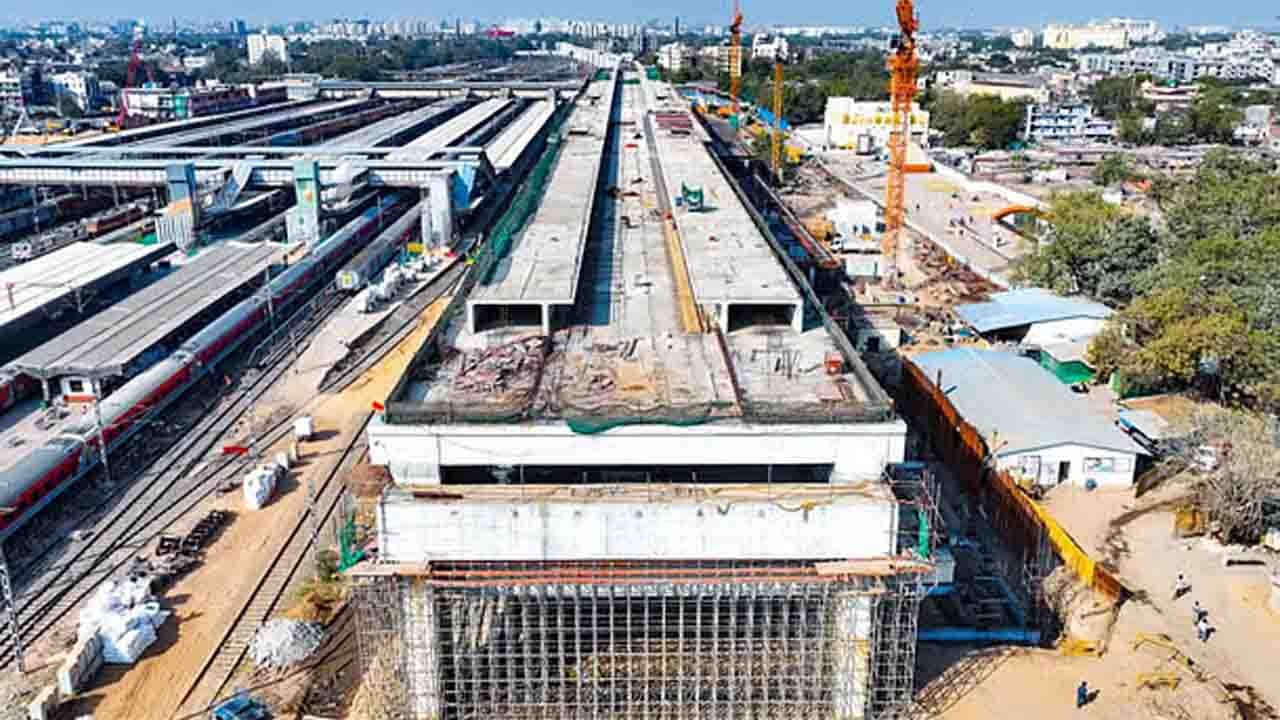
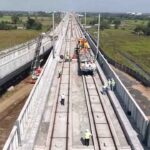
Construction of the bullet train corridor has accelerated significantly, particularly in Gujarat, where large sections of viaducts and bridges have already been completed. Multiple stations are also under active development.
Meanwhile, the Maharashtra section involves more complex work, including underground tunnelling and the development of the Mumbai terminal at Bandra Kurla Complex (BKC).
Officials expect the project to be opened in phases, with sections in Gujarat likely to become operational earlier as construction there is progressing faster.
The Mumbai–Ahmedabad bullet train is expected to reshape travel patterns across western India. Faster connectivity between business hubs will make same-day travel easier for professionals and entrepreneurs.
Cities along the route, particularly Surat and Vadodara, could also experience increased economic activity, real estate growth, and stronger industrial connectivity.
As India’s first high-speed rail line, the project will also help develop domestic expertise in advanced railway technology, laying the groundwork for future bullet train corridors across the country.
With the Centre stepping in to cover the rising costs, the Mumbai–Ahmedabad Bullet Train project remains firmly on track, marking a major step toward India’s high-speed rail future.