Delhi: Delhi’s Indira Gandhi International Airport (IGIA), the country’s busiest aviation hub, will temporarily close one of its main runways for an extended rehabilitation programme aimed at improving safety, operational resilience, and future capacity, airport operator Delhi International Airport Limited (DIAL) has announced.
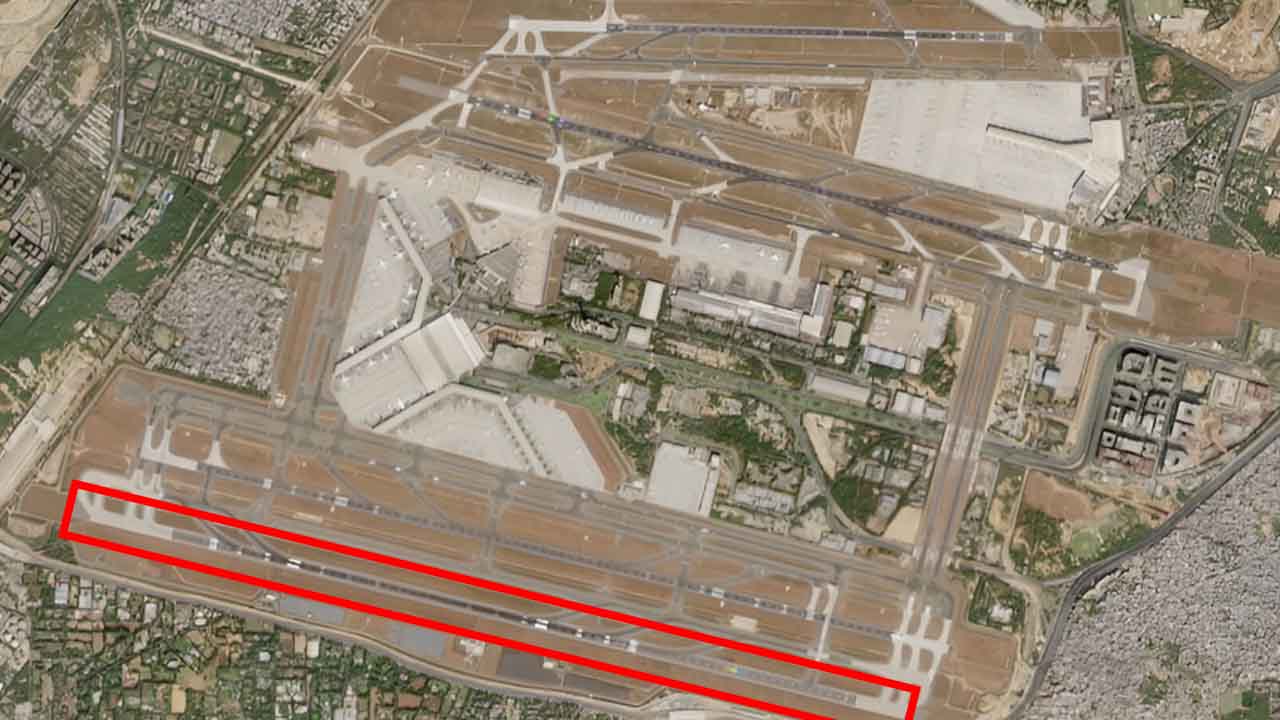
The runway scheduled for closure is 11R/29L, often referred to as IGIA’s third runway. It will be taken out of service for nearly five months starting 16 February 2026, with recommissioning expected in early July 2026, subject to mandatory clearances from aviation regulators.
The shutdown is part of what officials describe as a comprehensive upgrade, designed not only to restore pavement strength after years of intense usage but also to add critical systems that can improve runway efficiency and reduce delays, particularly during peak traffic hours.
Table of Contents
Why is the runway being closed?
DIAL said the runway was commissioned in 2008 and has been in continuous use for 17 years, with only routine maintenance and a minor rehabilitation in 2017. However, increasing aircraft movements, higher operational load, and natural ageing have made a full-scale strengthening and upgrade unavoidable.
The upcoming work will include:
- Resurfacing of the runway and taxiway portions
- Construction of a new Rapid Exit Taxiway (RET) to reduce runway occupancy time
- Installation of a new Instrument Landing System (ILS), which provides pilots with precise landing guidance
- Upgrades to runway lighting and essential safety components
A rapid exit taxiway is particularly important at high-traffic airports like IGIA. Allowing aircraft to vacate the runway more quickly after landing, it improves throughput and reduces the cascading effect of delays.
Will passengers face major disruption?
Despite the lengthy closure, DIAL has said the airport is pursuing a “zero-disruption” operations plan, with airlines and Air Traffic Control (ATC) already briefed.
According to DIAL, the airport aims to maintain a scheduled movement capacity of 1,514 flight movements per day even during the closure period. Reports suggest only a small number of daily flights may be cancelled, while most schedule adjustments will come through timing changes rather than large-scale disruptions.
The decision on maintaining capacity was made after multiple high-level consultations between DIAL, the Airports Authority of India (AAI), and other stakeholders to mitigate the impact during the runway downtime.
However, aviation watchers say some impact is still likely during heavy demand periods, especially as the closure coincides with the peak summer travel season, when Delhi experiences high passenger volumes, and airlines operate denser schedules.
Safety and fog performance are also in focus
IGIA is among the airports most impacted by winter fog conditions in North India, and runway capability upgrades often play a crucial role in keeping operations stable during low visibility. In recent months, reporting has highlighted that Delhi airport has been enhancing its winter resilience using upgraded runway systems and operational technology.
While the current closure focuses on runway rehabilitation and safety strengthening, improved systems, particularly ILS upgrades, can also contribute to safer and more predictable operations under challenging visibility.
What travellers should expect
Passengers travelling via Delhi between mid-February and early July 2026 are advised to:
- Keep an eye on airline notifications for schedule changes
- arrive early during peak hours, as runway availability will be reduced
- expect minor slot re-timings as ATC optimises movements across the remaining runways
DIAL has indicated that the work will begin only after receiving regulatory approvals, including clearance from the Directorate General of Civil Aviation (DGCA), and the runway will be reopened after safety verification and certification procedures are completed.
With Delhi serving as a key domestic and international hub, the runway closure is being viewed as a critical short-term inconvenience aimed at ensuring long-term capacity readiness, improved safety standards, and reduced operational vulnerability at one of Asia’s busiest airports.