Category: Water And Waste

  • India’s River-Linking Push: DPRs Ready for 11 Links, ₹3,969 Cr Spent on Ken-Betwa Project

    India’s River-Linking Push: DPRs Ready for 11 Links, ₹3,969 Cr Spent on Ken-Betwa Project

    The Ministry of Jal Shakti has told Parliament that Detailed Project Reports (DPRs) are now complete for 11 major river-linking projects under the National Perspective Plan (NPP). This large-scale plan aims to move water from areas with plenty of it to regions that face shortages across India.

    These 11 projects have been carefully studied by the National Water Development Agency (NWDA) and are part of 30 planned river links in the NPP. The plan is split into 14 projects in the Himalayan region and 16 in the Peninsular region.

    Out of all 30 projects, Pre-Feasibility Reports (PFRs) have been done for each one, Feasibility Reports (FRs) are complete for 26, and 11 have reached the DPR stage, which means they are ready for implementation.

    Union Minister of State for Jal Shakti, Raj Bhushan Choudhary, explained in a written reply to the Rajya Sabha:

    “The Government of India created the National Perspective Plan to link rivers and move water from surplus areas to those in need. The NWDA is in charge of carrying out these projects under the NPP.”

    The minister added:

    “There are 30 projects in total—14 under the Himalayan component and 16 under the Peninsular component.”

    As of July 2025, all 30 projects have PFRs, 26 have FRs, and 11 have completed DPRs.

    The projects with finished DPRs include:

    • Alternate Godavari (Inchampalli)–Krishna (Nagarjunasagar)
    • Godavari (Inchampalli/SSMPP)–Krishna (Pulichintala)
    • Alternate Krishna (Nagarjunasagar)–Pennar (Somasila)
    • Alternate Pennar (Somasila)–Cauvery (Grand Anicut)
    • Cauvery (Kattalai)–Vaigai–Gundar
    • Damanganga–Pinjal
    • Par–Tapi–Narmada
    • Bedti–Varda
    • Ken–Betwa, which is the only project now under actual construction.

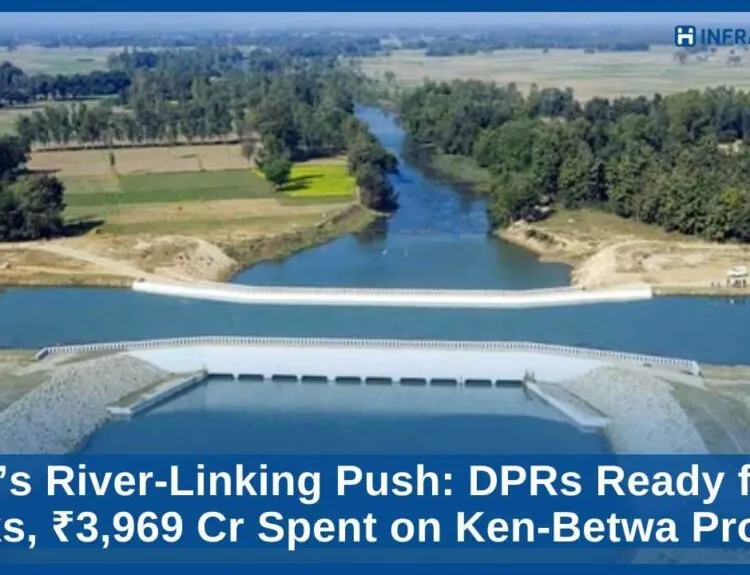
    The Ken–Betwa Link Project, which connects rivers in Madhya Pradesh and Uttar Pradesh, has already spent ₹3,969.79 crore out of its total budget of ₹4,469.41 crore in the last three years. The project will require cutting down over 17,000 trees and will affect more than 7,000 families. State governments are handling rehabilitation under the 2013 Land Acquisition and Rehabilitation Act.

    While the project is seen as a major step toward solving India’s water distribution challenges, it also brings environmental concerns and social impacts that will need careful management.

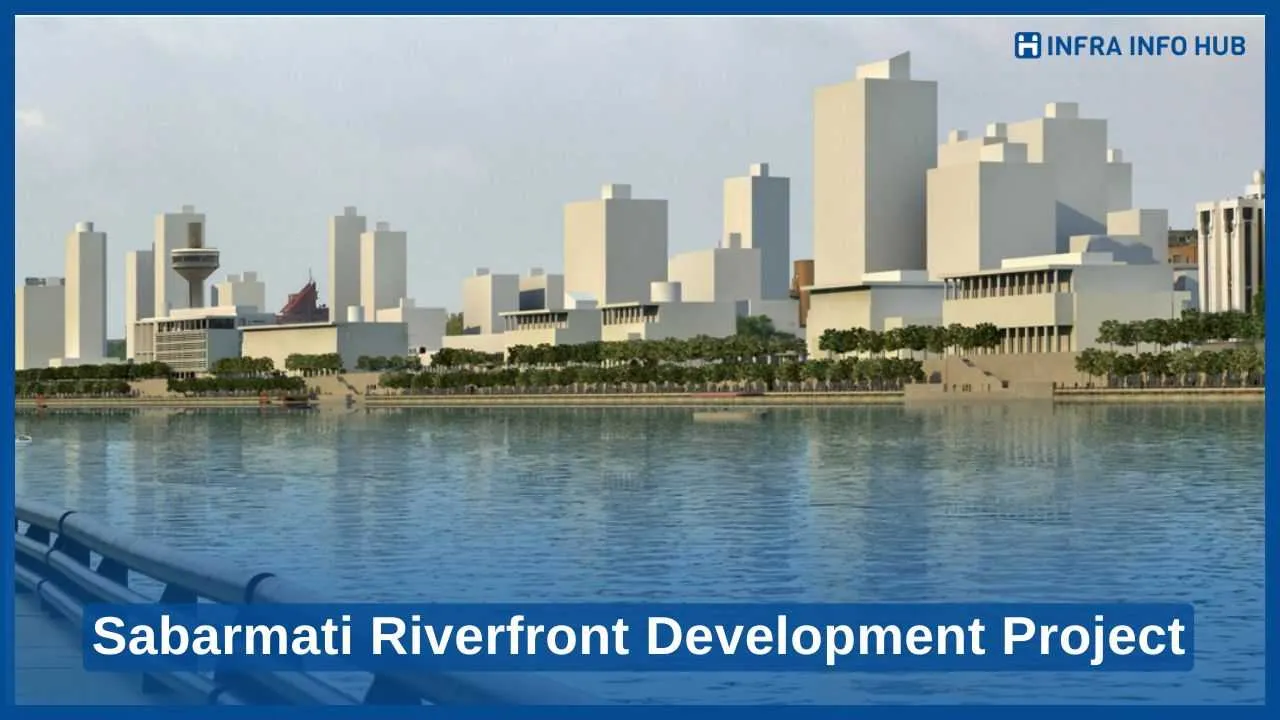
  • Sabarmati Riverfront Development Project – Progress, Plan, Map, and More

    Sabarmati Riverfront Development Project – Progress, Plan, Map, and More

    Sabarmati Riverfront Development Project Overview

    • Location: Ahmedabad
    • Total Length: 34 kilometers (21 mi)
    • Status: Under construction (Phase 2)
    • Cost: ₹850 crore (Phase 2)
    • Completion Time: 2026-27 (Phase 2)

    The Sabarmati Riverfront Project in Ahmedabad has evolved into a vibrant and beautiful area that locals and visitors have come to enjoy over the years. Although the idea first emerged in the 1960s, actual construction did not begin until 2005. By 2012, the first part of the project was mostly complete, and since then, people have been enjoying its many features. In 2020, the second phase was approved, aiming to improve the environment, support the community, and boost the local economy.

    This impressive development stretches along the Sabarmati River and has brought major improvements to the city’s landscape. It’s more than just a makeover—it’s a well-planned effort to make Ahmedabad cleaner, greener, more enjoyable, and economically stronger.

    The riverfront is now filled with peaceful parks, strong bridges, fun playgrounds, and areas full of plants and wildlife. Each space has been carefully designed to bring people closer to nature while also offering spots to relax, play, or just take in the view.

    Altogether, the Sabarmati Riverfront stands as a shining example of how cities can grow while still caring for nature and the needs of people. It has become a proud symbol of progress and beauty for Ahmedabad.

    Sabarmati Riverfront Phase 2

    The Sabarmati Riverfront Project was conceived in the 1960s, but completed in 2005. During Phase 1, areas of the waterfront were gradually opened to the public, with various facilities taking shape. Continued development of the project led to Phase 2 approval in 2020. This large shelter on the banks of the river is a testimony to the very thoughtful planning done in its development.

    The Sabarmati River flows through a monsoon-fed catchment area spanning 21,674 square kilometres. The water level of the river is controlled by Dharoi Dam and Vasna Barrage. The Narmada Canal, which beautifies the flow of the Sabarmati, contributes to its abundance.

    Sabarmati Riverfront Development Project

    The Sabarmati Riverfront Development Project is being developed by the Sabarmati Riverfront Development Corporation Limited (SRFDCL). But this is more than just a construction plan—it’s a large public space with many places for people to enjoy and relax. The riverbank has become a busy and popular spot, with big parks, green gardens, open spaces for events, walkways, boat areas, markets, food stalls, and fun areas for children.

    The riverfront’s beauty comes from its green trees, neat designs, and peaceful atmosphere. These things make it a favorite place for both local people and tourists to visit.

    More than just a project, the Sabarmati Riverfront shows the hopes of the people of Gujarat, careful planning, and strong leadership. It stands as a sign of progress, togetherness, and a bright future for Ahmedabad and the surrounding region. What started as a simple idea in the 1960s has now become a large and lively space full of life and opportunity.

    Recommended: Gujarat Megaprojects

    The Sabarmati Riverfront, inspired by the vision of Prime Minister Narendra Modi, has become a major part of Gujarat’s city development. In the first phase, it will stretch from Subhash Bridge to Indira Bridge. The second phase is already going on, and the third is being planned. When the project is fully finished, the riverfront will be 38.2 kilometers long, making it one of the longest and most beautiful riverfronts in the world.

    Seeing the success of the project in Ahmedabad, the Gujarat government now plans to extend the riverfront all the way to Gandhinagar. Phases 4 and 5 will connect Indira Bridge to Gandhinagar and add more green, eco-friendly spaces for people to enjoy. These new plans show the government’s focus on public good and environment-friendly development.

    The Gujarat budget for 2024–25, along with India’s national budget, will focus on important goals like fighting poverty, helping women grow, supporting farming, and creating more chances for young people. These efforts show how both the state and the country are working together to improve people’s lives.

    Recommended: Ahmedabad Megaprojects

    Sabarmati Riverfront Development Project Progress

    The Sabarmati Riverfront is a major project in Ahmedabad, and now the government is getting ready to begin the next phase—Phase 3. The Ahmedabad Municipal Corporation (AMC) has already started work on Phase 2, which is expected to be completed by 2026–27. Phase 3 will be handled by the Sobha Group from Dubai.

    As per reports, the Sabarmati Riverfront Development Project is moving forward in Ahmedabad. The government has officially announced that work on Phase 3 has started. Before this, about 40% of Phase 2 had already been completed.

    Phase 2 will cover the area from Shahibag to Indira Bridge and will include a lower-level promenade and a main walkway for visitors. Phase 3 will stretch from Indira Bridge to GIFT City. AMC is working to finish Phase 2 on time, while the responsibility for developing Phase 3 has been given to the Sobha Group.

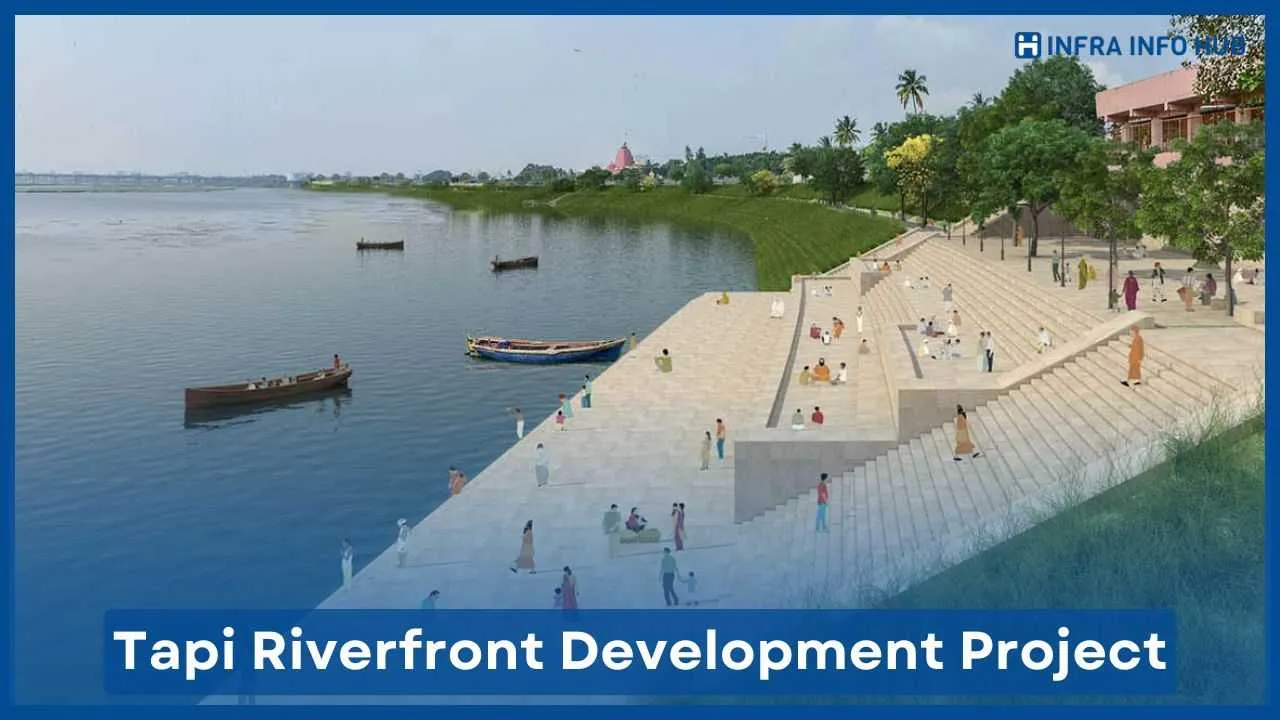
  • Tapi Riverfront Development Project – Details, Progress, Masterplan

    Tapi Riverfront Development Project – Details, Progress, Masterplan

    The upcoming Tapi Riverfront, inspired by Ahmedabad’s Sabarmati Riverfront, is set to transform Surat with a massive investment of ₹3,904 crore. This project is designed to boost tourism and improve the city’s appeal.

    Planned to cover a 33-kilometer stretch along the Tapi River, the project has already been approved by the government. A loan of ₹1,991 crore from the World Bank will help fund this major development. City officials say the riverfront will serve as a leisure and recreation spot for the people of Surat.

    Fresh tenders have been invited for building a traditional barrage along the entire 33 km stretch. A major part of this work includes the construction of the Rundh-Bhatha Conventional Barrage. The plan also includes creating a 10 km long reservoir as part of the overall project.

    The corporation has announced that several new facilities will be developed on both sides of the reservoir. These will include spaces for tourism and improved transport access. The project will also focus on cleaning the river water, planting greenery, and developing recreational zones along the riverbank. It will involve proper water and land management to make the area clean and attractive.

    The total project cost stands at ₹3,904 crore, and the state government has officially approved the corporation’s plan.

    About Tapi Riverfront Development

    A conventional barrage will be constructed on the Tapi River, leading to the formation of a large water reservoir. In Phase-1, this lake will stretch around 10 kilometers, reaching up to the existing Singanpore Weir. In Phase-2, the water body will extend further to cover 23 kilometers, reaching Kathor Bridge. Alongside this development, a new road and a boating facility will also be built, running parallel to the river.

    Phase-1 covers the area between the planned Rundh-Bhatha Barrage and Singanpore Weir. Phase-2 will extend from Singanpore Weir cum causeway all the way to Kathor Bridge, creating a continuous stretch of revitalized river space.

    The riverfront project will involve the full-scale transformation of both riverbanks. A wide range of features are planned, including an eco-park, public recreation areas, modernized gardens, open-air markets, a floating jetty for boating activities, scenic viewing decks, pedestrian overpasses, walking bridges, ferry terminals, and water discharge tanks.

    Additional public amenities will include well-paved walkways, dedicated cycling tracks, lush green zones, overbridges, gardens, amusement parks, and various community-use spaces. The flood protection infrastructure on both sides of the river will also be upgraded. Moreover, a well-connected road will be built along the riverbanks, offering easier access and convenience to residents and visitors alike.

    About Tapi Riverfront Development

    Tapi Riverfront Development Progress

    Gujarat Chief Minister Bhupendra Patel has made an important decision regarding the Surat Tapi Riverfront Project. A new company called Tapi Riverfront Development Corporation Limited will be set up as a Special Purpose Vehicle (SPV) to carry out the project.

    This new corporation has received approval to begin with an authorized capital of ₹10 crore. Out of this, ₹5 crore will be provided by the Gujarat state government, and ₹5 crore will be contributed by the Surat Municipal Corporation. The Chief Minister has also given instructions to release the state government’s ₹5 crore share.

    It’s also important to note that the Tapi Riverfront Project has a total cost of ₹3,904 crore. For Phase-1, the Government of India has approved a plan to take a loan from the World Bank to cover 70% of the cost, which amounts to ₹1,991 crore. This step ensures that the project will have the needed funding to move forward smoothly.

  • Gorakhpur to establish the India’s first Integrated Waste Management City by September 2025

    Gorakhpur to establish the India’s first Integrated Waste Management City by September 2025

    A full-fledged Integrated Waste Management City-cum-Learning Centre will come up at Gorakhpur in Uttar Pradesh by September 2025.

    The initiative targets making the city garbage-free through a circular model for sustainable waste management.

    Spread over 40 acres in Suthni village, Sahjanwa, this facility will process several types of wastes and will produce charcoal and Bio-CNG, said Gorakhpur Municipal Commissioner Gaurav Sogarwal.

    This, he said, would help the project generate employment, improve revenue, and become a learning hub for technical know-how.

    The model could be presented in Visakhapatnam and Delhi. Now, it would be showcased by the Ministry of Environment during the National Chief Secretaries’ Conference in Delhi from 13 to 15 December, shared Sogarwal.

    Inputs are being integrated from the Administrative Staff College of India, Hyderabad, to make it more innovative, he said, news agency PTI reported.

    This center will treat a wide range of wastes, including biomedical waste, e-waste, batteries and tires, terracotta, vehicle scrap, plastic, domestic hazardous materials, and industrial, and organic waste.

    It will also operate as a learning centre, and will provide technical expertise, said the municipal commissioner. To achieve this purpose, Sogarwal will set up three dedicated plants, and a Dry Waste Plant with a capacity of 500 tons per day will produce charcoal.

    MoU has been signed with NTPC, with an investment of Rs 300 crore assuring revenue generation and ensuring employment opportunities as well, he said.

    The Wet Waste Plant is another part that will be a 200 Ton Per Day facility for the production of Bio-CNG on the Public Private Partnership model.

    It may help the Gorakhpur Municipal Corporation save an estimated Rs 12-15 crore a month on vehicle fuel expenses, he added. It will be a Hazardous Waste Plant to process domestic hazardous waste in an environment-friendly manner, Sogarwal added. Besides serving Gorakhpur, the project will also cater to the needs of eight other ULBs nearby-the original giant stride toward regional sustainability, proclaims Sogarwal.