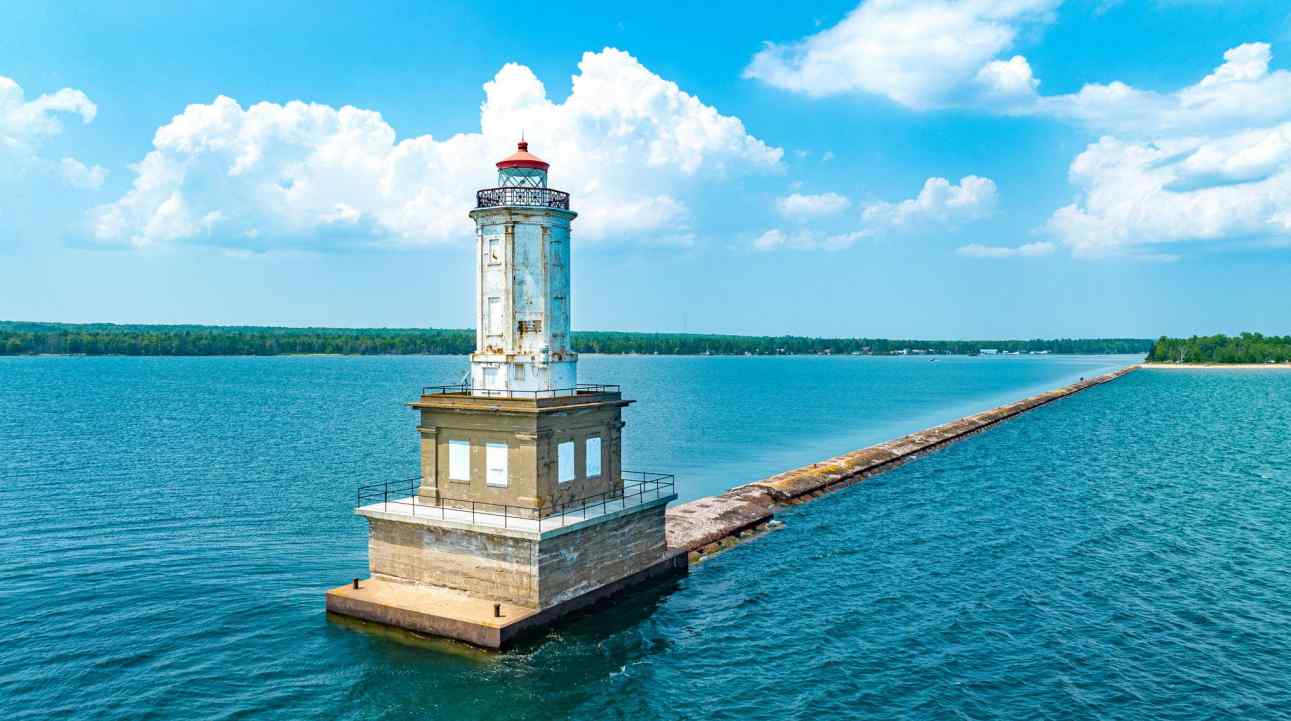
India is set to introduce a new era in river navigation with the construction of the country’s first inland waterway lighthouses on the Brahmaputra River, a move aimed at improving safety, night navigation, and cargo movement along one of the nation’s most important waterways. The project, estimated to cost ₹84 crore, will see modern lighthouse systems installed at four strategic locations along the Brahmaputra, strengthening infrastructure on National Waterway-2 (NW-2).
The initiative marks a significant step in India’s efforts to modernise inland water transport and enhance connectivity across the northeastern region, where the Brahmaputra serves as a crucial logistics and transportation corridor.
Under the project, inland lighthouses will be built at Pandhu Port in Guwahati, Jogighopa, Biswanath Ghat, and Bogibeel. These locations are among the most important operational points along National Waterway-2, which stretches nearly 891 kilometres from Dhubri near the Bangladesh border to Sadiya in eastern Assam.
Each site has been selected based on navigational importance, vessel traffic, and its role in supporting regional trade and logistics. The lighthouses will help vessels identify safe navigation channels and guide ships during difficult river conditions.
Unlike traditional coastal lighthouses used along sea routes, these installations are specially designed for inland waterways where river depth, currents, and channels frequently change.
Navigation on the Brahmaputra has long been challenging due to factors such as shifting sandbars, strong currents, seasonal flooding, and poor visibility during fog or storms. As a result, many vessels currently operate only during daylight hours.
The new lighthouse network will address these challenges by providing high-intensity light signals and navigation guidance, allowing vessels to move more safely even during low visibility conditions or nighttime operations.
This development is expected to significantly improve safety standards for cargo ships, passenger ferries, and other vessels operating on the river.
With better navigation support, shipping operators will also be able to extend operating hours, increasing the efficiency of river-based transportation.
The inland waterway lighthouse system will incorporate modern technologies designed specifically for river transport. Each installation is expected to feature energy-efficient LED beacon lights, solar power systems, radar reflectors, and automated monitoring equipment.
These systems will work alongside other navigation aids already used on the Brahmaputra, such as channel markers, digital navigation charts, and river information systems that help track vessel movement.
Together, these technologies will create a more organised and reliable navigation environment, similar to systems used on major inland waterways in Europe and North America.
The Brahmaputra is one of India’s most important inland waterways and plays a critical role in improving connectivity across the northeastern states. Strengthening navigation infrastructure along the river is expected to boost cargo movement, reduce logistics costs, and encourage greater use of water transport.
Cargo transported via waterways is often more fuel-efficient and environmentally sustainable compared to road transport. As a result, improved river infrastructure can help businesses move goods more economically while reducing congestion on highways.
The project will also support the government’s broader strategy of developing inland waterways as part of India’s multimodal transport network.
Several of the selected locations for lighthouse installation are close to emerging logistics hubs. For example, Jogighopa is developing into a major multimodal logistics park, while Pandhu Port serves as a key river terminal in Guwahati.
By improving navigational safety in these areas, the lighthouse network will strengthen connections between river transport, rail corridors, and highway networks.
This integrated approach is expected to improve supply chains across the northeastern region and support economic development in states such as Assam and Arunachal Pradesh.
The Brahmaputra lighthouse project represents a technological milestone for India’s inland water transport sector. Introducing lighthouse infrastructure to river navigation will help transform the Brahmaputra into a more reliable and efficient transport corridor.
As river ports, cargo terminals, and navigation systems continue to expand along National Waterway-2, the Brahmaputra is poised to become a major backbone for regional trade and logistics in Northeast India.
With the ₹84-crore project moving forward, the country is taking another important step toward building a modern and safer inland waterway network.