
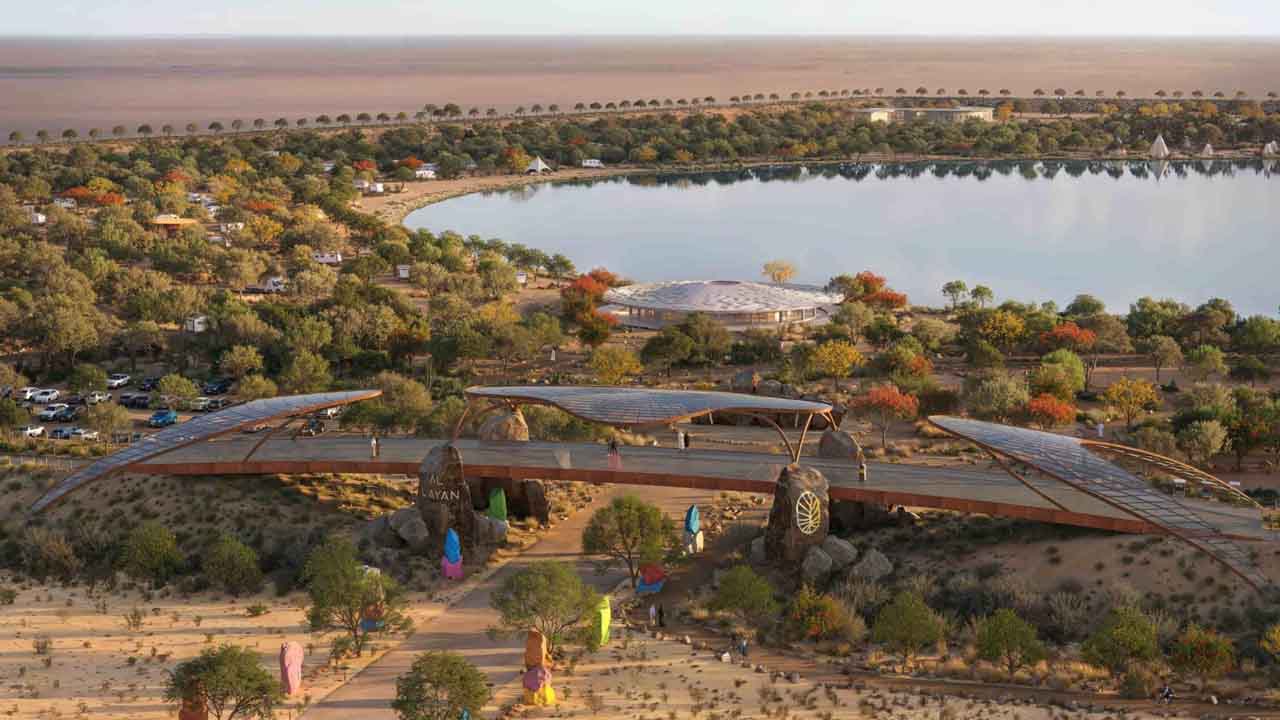
Dubai has announced one of the most ambitious tourism developments in its history: the USD 1.08 billion Al Layan Oasis Desert Tourism Project. Positioned as a transformative venture, the project signals a decisive expansion of the emirate’s tourism strategy beyond its urban icons and into the vast desert landscapes that define much of the region’s geography.
The Al Layan Oasis development is designed to reshape how desert environments are experienced, blending luxury hospitality, environmental design, and large-scale infrastructure. Unlike conventional resort projects, this initiative envisions a fully integrated desert destination rather than a standalone attraction. Plans indicate a mix of high-end resorts, immersive entertainment zones, cultural venues, and nature-driven experiences set within a carefully engineered oasis environment.
At the heart of the project is the idea of creating a self-sustaining desert ecosystem. Early outlines suggest extensive landscaping, water management systems, and climate-responsive architecture aimed at harmonizing with the harsh desert conditions. Developers intend to combine advanced engineering with ecological sensitivity, allowing the destination to function as both a tourism hub and a showcase of sustainable desert development.
The scale of investment underscores Dubai’s long-term confidence in tourism growth. Over the past two decades, the emirate has repeatedly demonstrated its willingness to commit massive capital to projects that redefine global travel patterns. From artificial islands to record-breaking skyscrapers, Dubai’s development philosophy has consistently centered on creating experiences that attract international attention. Al Layan Oasis appears to follow this same trajectory, though with a distinct emphasis on natural landscapes rather than urban spectacle.
Industry observers view the project as part of a broader shift in regional tourism priorities. Travelers increasingly seek experiential, nature-oriented destinations, prompting developers to rethink traditional hospitality models. Desert tourism, once limited to short excursions or safari-style outings, is being reimagined as a premium, multi-day experience. The Al Layan Oasis initiative aligns with this trend, offering visitors a curated blend of adventure, leisure, and cultural engagement within a controlled desert setting.
Infrastructure development is expected to play a central role. Large-scale projects of this nature typically require new transport links, utility networks, and service corridors. While detailed timelines remain subject to future announcements, the economic implications are significant. Construction activity, hospitality operations, and ancillary services could generate extensive employment and business opportunities across multiple sectors.
The project also reinforces Dubai’s competitive positioning within the global tourism market. As international destinations compete for high-value visitors, differentiation becomes essential. By converting desert terrain into a landmark attraction, Dubai is effectively monetizing a natural asset that many regions struggle to integrate into mainstream tourism offerings.
Beyond economics, Al Layan Oasis carries symbolic weight. It represents an attempt to redefine perceptions of desert environments, shifting the narrative from emptiness and extremity to possibility and innovation. If executed as envisioned, the project could establish new benchmarks for desert-based tourism and sustainable development.
Dubai’s track record suggests that large announcements often translate into tangible realities, though timelines and final designs may evolve. For now, the Al Layan Oasis Desert Tourism Project stands as another bold statement of intent from a city that has built its reputation on scale, spectacle, and strategic reinvention.
